Lula repeats pledge to “end bets” in Santa Catarina, while Brazil’s own data points to a regulated market worth R$ 37 billion in GGR
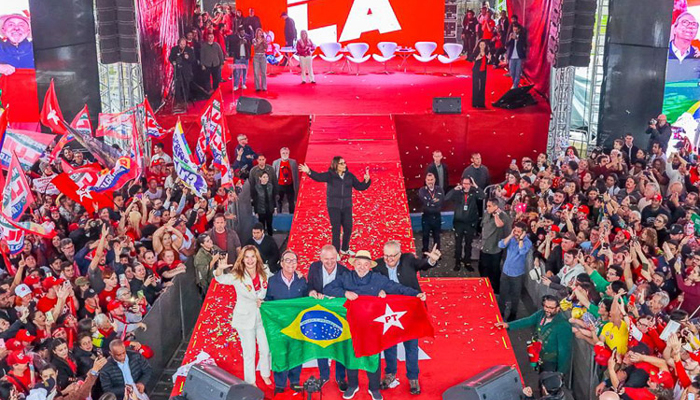
Brazilian President Luiz Inácio Lula da Silva has again said he wants to “end bets” in Brazil, but in Florianópolis he offered no details on scope, timing, or which segments would be hit. For PSPs, acquirers, and banks watching Brazil, the useful part is the gap between political rhetoric and the government’s own numbers: this is already a regulated market, and the state is still talking about tightening it rather than shutting it overnight.
- Lula made the remarks on Saturday (19) during campaign events in Florianópolis, Santa Catarina, alongside allies running in the state, including Gelson Merísio (PSB), who is a candidate for governor.
- He said he would first consult the Ministry of Finance and the Central Bank before any concrete move against the sector, but did not specify the reach of a ban, an implementation timeline, or which betting segments would be affected. His line was blunt: “I want to end bets.”
- The president has been discussing the issue for “two months,” according to his own words, and tied betting to household debt, saying bets are pushing many people into debt. He also rejected a joint statement from football clubs warning that a ban could create insolvency and legal uncertainty, saying the clubs were “lying” and adding that Brazil’s national team won without bets.
- Earlier the same day, Dário Durigan, the executive secretary of the Ministry of Finance, told CNN Brasil that the government is indeed working on tougher measures against bets, but “there is no decision taken.” He also said the government is studying ways to renegotiate old consumer debts sitting in banks’ loan books, where recovery prospects are low, though he did not explain whether that proposal is tied to betting or to a broader credit policy.
- Official data cuts through the noise. According to the January balance sheet from the Secretariat of Prizes and Bets of the Ministry of Finance (SPA-MF), gross gaming revenue (GGR) from bets in the first year of the regulated market totaled R$ 37 billion in 2025, equal to about 0.29% of Brazil’s GDP, which stood at R$ 12.7 trillion according to IBGE. That is not the profile of a sector a government simply switches off with a speech.
The Santander bank estimate, based on 2024 data, lines up with that official share. For high-risk payment providers, the practical takeaway is straightforward: Brazil is still in the policy-construction phase, with regulation, enforcement, and political messaging moving at different speeds.
Related news
All news →Curacao Gaming Authority says its online gaming portal was hacked; scope of the damage is still being assessed
Argentina to share crypto transaction data, Philippines blocks 8,000 accounts tied to illegal online casinos, and Australia fines Dabble Sports over self-exclusion breaches

Europe’s EN 18144 standard gives gambling operators nine markers of harm to spot risk earlier
Weekly high-risk digest
Regulation, sanctions and payment news across your verticals — once a week, free.
Please check your inbox and click the link to confirm your subscription.
Please enter a valid email address!