Brazil: the data do not support Lula da Silva’s claim on betting
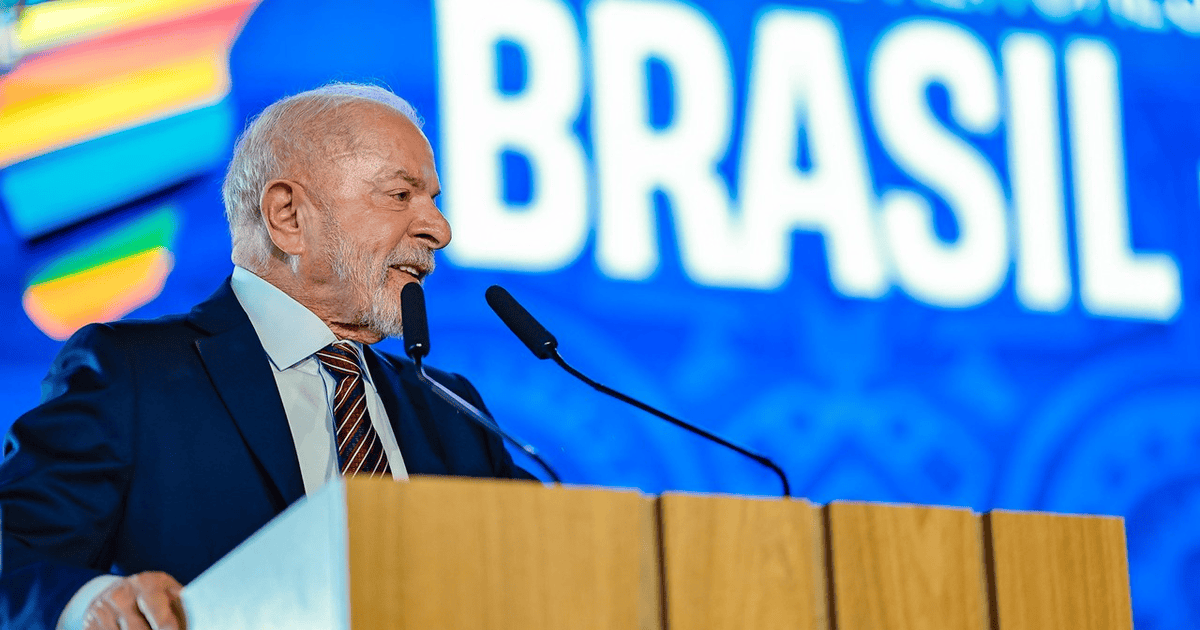
President Luiz Inácio Lula da Silva has argued that Brazil’s betting ban is boosting household consumption and industrial activity. The problem is that the available numbers do not actually show that, which is exactly the sort of gap high-risk operators and PSPs watch when policy starts getting dressed up as macroeconomics.
- In his national address on Sunday, November 8, Lula said the ban was helping household spending and productive activity, while also trying to reassure financial markets and restate the government’s commitment to fiscal stability. A BNLData analysis says the economic data available at the time did not support those conclusions.
- On retail, October was the first full month without betting. Santander and Getnet’s IGet index showed a 2.1% decline in Brazilian retail sales versus October last year, and only a 0.2% increase versus September. That is not exactly the kind of number you use to build a story about a consumption rebound.
- Industrial data were also moving the wrong way. The IBGE reported on Thursday, November 5, that industrial production fell 0.8% in September from August, the fourth decline in five months. Compared with September 2025, output was down 2.5%, the worst annual reading since March 2024. Since May, the sector has lost 4.1%, nearly wiping out gains from the first four months of the year.
- The IBGE will publish October data in December. When Lula spoke, there were no official figures showing an increase in industrial production, so the claim was not backed by the statistical record then available.
- The only public support cited for the speech was a study by ABRAS, the Brazilian supermarket association. It reported food sales up 6.5% in the week of October 5-11 and 6.3% the following week, both versus 2025. BNLData points out that the first week coincided with the deadline to withdraw balances from betting platforms, which returned idle money to circulation, while Children’s Day fell on a Monday in 2026 and created a long weekend. The comparison base was also weak: according to Scanntech, food sales fell 3.6% in October 2025.
The arithmetic is the real issue here. Brazilian supermarkets generate about $194,000,000,000 a year, or roughly $3,600,000,000 a week at current exchange rates. A 6.5% increase would mean more than $236,000,000 a week. Betting gross gaming revenue was around $140,000,000 a week. Even if every dollar that disappeared from bettors had gone straight into supermarket tills, it still would not fully explain the rise ABRAS cited. ABRAS did not present methodological controls beyond year-on-year comparison.
Related news
All news →


Weekly high-risk digest
Regulation, sanctions and payment news across your verticals — once a week, free.
Please check your inbox and click the link to confirm your subscription.
Please enter a valid email address!