Home
/
news
/
US sanctions two Iranian crypto exchanges, their foreign partners, and Shelbit operator Siavash Kayvanpour
news
US sanctions two Iranian crypto exchanges, their foreign partners, and Shelbit operator Siavash Kayvanpour
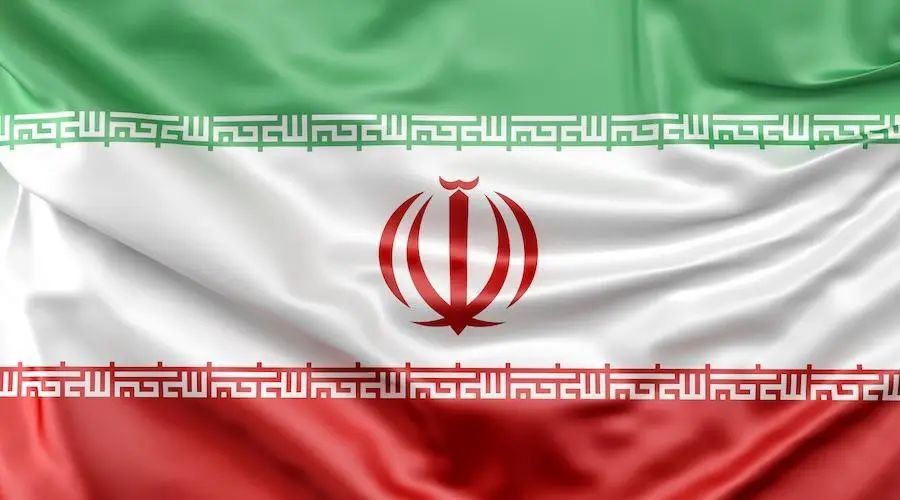
The US Treasury has sanctioned Iranian crypto exchanges Shelbit and Aban Tether as part of its “Economic Fury” campaign against the Islamic Republic’s financial system. For high-risk payment firms, the useful bit is not the rhetoric; it is that OFAC is now explicitly tying crypto rails, gambling-linked flows, and cross-border counterparties into one sanctions package.
- According to the Office of Foreign Assets Control (OFAC), both exchanges were used to move large volumes of cryptocurrency for the Islamic Revolutionary Guard Corps (IRGC) and other groups the US designates as terrorist organizations. Treasury said Aban Tether processed “millions of dollars” through transactions with Nobitex, Iran’s largest crypto platform, and other sanctioned venues.
- Shelbit’s operator, Siavash Kayvanpour, was also sanctioned, along with a number of companies he controls in Georgia, Poland, and the UAE. Treasury says wallets linked to the IRGC sent more than $1 million in crypto to Shelbit and received more than $2 million from it; other wallets associated with Kayvanpour allegedly sent more than $2 million to Nobitex.
- The sanctions came one week after a Reuters investigation said Shelbit handled at least $4 billion over the past two years for an Iranian gambling network, the Iranian central bank, and entities affiliated with the IRGC. Reuters also found that at least $676 million was transferred from Shelbit-linked wallets to Binance during that period, including about $540 million after Dubai’s Virtual Assets Regulatory Authority (VARA) fined Shelbit in January last year for operating without a license.
- In July, VARA issued another order to Shelbit, telling the exchange to stop illegal activity. Binance said Shelbit did not have an account on its platform and disputed the reality of the $540 million transfers, while adding that user accounts linked to Shelbit had already been reviewed, frozen, and handed over to authorities.
- This is not Treasury’s first move in this lane: it previously sanctioned four of Iran’s largest crypto exchanges — Nobitex, Wallex, Bitpin, and Ramzinex. For PSPs, the pattern is clear enough: Iranian crypto flows are now being treated as a sanctions, gambling, and counterparty-risk problem at once, with foreign entities and wallet activity pulled into the same net.
Related news
All news →/https://i.s3.glbimg.com/v1/AUTH_da025474c0c44edd99332dddb09cabe8/internal_photos/bs/2026/a/4/JZgMamSDu4CIUNPUsAQg/116359810-ec-rio-de-janeiro-rj-25-09-2026-fim-das-bets-no-brasil-local-gavea.-footo-marcelo.jpg)
:strip_exif()/i.s3.glbimg.com/v1/AUTH_da025474c0c44edd99332dddb09cabe8/internal_photos/bs/2026/B/5/oVATTjQpWcrAszB1Lm8w/116363444-sao-paulo-25-09-2026-bets-proibicao-o-presidente-luiz-inacio-lula-da-silva-pt-a.jpg)

Weekly high-risk digest
Regulation, sanctions and payment news across your verticals — once a week, free.
Please check your inbox and click the link to confirm your subscription.
Please enter a valid email address!