Home
/
news
/
UK betting faces tax hikes, 60+ regulatory changes, and a bigger illegal market, says BGC’s Grainne Hurst
news
UK betting faces tax hikes, 60+ regulatory changes, and a bigger illegal market, says BGC’s Grainne Hurst
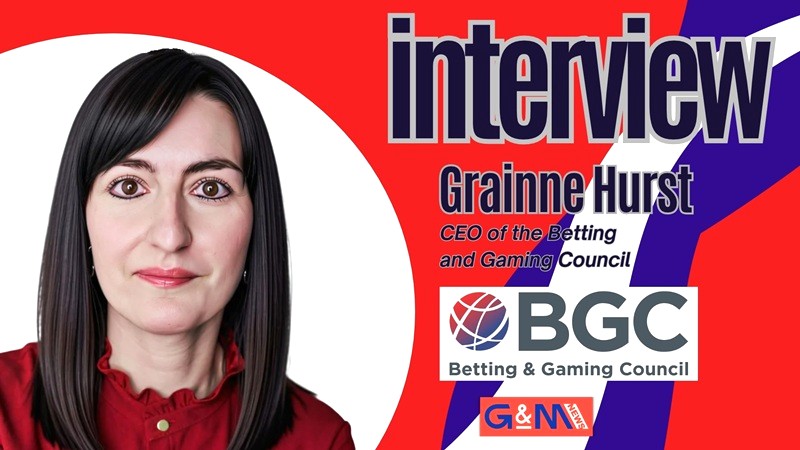
The UK betting and gaming sector is dealing with higher taxes, a long list of regulatory changes, and pressure from the illegal market all at once. For licensed operators and their payment partners, the practical question is no longer abstract policy theory: it is whether the regulated market can still carry investment, customer protection, and basic commercial viability at the same time.
- Grainne Hurst, speaking for the Betting and Gaming Council (BGC), said the sector is facing a “triple whammy” of tax increases: Remote Gaming Duty has risen, Machine Games Duty is increasing, and a new rate of General Betting Duty on remote betting is due next April 2027. She said this comes alongside more than 60 measures already implemented since the Gambling White Paper.
- The BGC’s position is that operators need “a period of stability” so the regulated sector can invest, grow, and continue protecting customers. In other words, the ask is not for lighter-touch oversight, but for policy that is “evidence-led” and proportionate enough that licensed businesses can still plan around it.
- Tax pressure is already showing up in the market. Hurst said that since last year’s Budget, more than 600 betting shops have closed or announced closure, and over 11,000 jobs across the online and retail sectors have been lost or put at risk. Her argument is that higher taxes reduce investment, weaken competitiveness, and ultimately make the regulated market less able to compete with unlicensed operators.
- On the illegal market, Hurst said licensed operators are the main defence because they pay taxes and protect customers, while illegal operators do neither. The BGC wants tougher action against unlicensed sites, including coordination with payment providers, technology platforms, and regulators to disrupt them. For PSPs, that is the key operational point: payment disruption is not a side issue here, it is part of the enforcement toolkit.
- Hurst also pushed back on regulation that stacks up without regard to the combined effect. The BGC supports high standards and strong consumer protections, but says the cumulative impact on customers, investment, operations, and competitiveness has to be considered. The unfinished sentence in the source makes the direction clear enough: the industry wants the regulator and government to judge rules by what they do in practice, not by how tidy they look on paper.
Related news
All news →


Weekly high-risk digest
Regulation, sanctions and payment news across your verticals — once a week, free.
Please check your inbox and click the link to confirm your subscription.
Please enter a valid email address!