2026 Brazil presidential candidates push for tighter online sports betting restrictions
Online sports betting has moved from a side issue to a central theme in Brazil’s 2026 presidential campaign, with candidates from different parties backing tougher restrictions. For PSPs and operators, the key point is not the politics itself but the direction of travel: a market that already handles huge volumes is now being debated as a source of family-budget strain, tax revenue, and possible regulatory rollback.
- According to the source, Brazilians spent R$ 220 billion on authorized betting platforms in 2025, and R$ 36.9 billion stayed with the betting houses. Around 25 million people placed at least one bet during the year. That scale is exactly why the sector is now hard to keep off the campaign agenda.
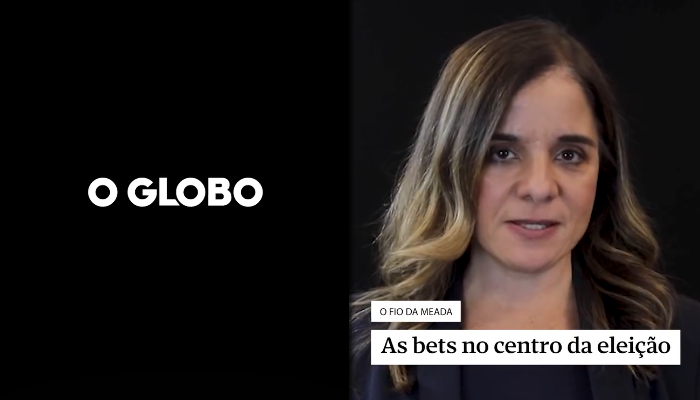
- Several presidential hopefuls have already taken a restrictive line. Romeu Zema said he would shut down betting operations on the first day of a possible government. Ronaldo Caiado has signaled a harsh approach. Lula and Flávio Bolsonaro also came out in favor of restrictions. As columnist Vera Magalhães of O Globo put it: “As bets entered the presidential campaign for good.”
- The regulatory path matters here. Sports betting was legalized under Michel Temer in 2018, but regulation lagged behind. Jair Bolsonaro did not complete the rulemaking, and for four years companies expanded in a grey zone, operating from abroad without effective supervision. In 2023, the Lula government regulated and taxed the sector, and Congress went further by expanding the law to include online games such as Tigrinho.
- For high-risk payment flows, the practical risk is the one Magalhães highlights: users moving from regulated platforms to the clandestine market if restrictions are handled badly. The source says that among the main dangers are the loss of taxation, consumer protection, and access controls. In other words, a tighter regime on paper can still end up pushing volume into channels where PSPs, acquirers, and banks have no visibility at all.
- The sector is already embedded in the Brazilian economy. The government collects taxes from betting operations, and betting ads have become a meaningful revenue source for football clubs, with that dependence visible on shirts across the main divisions of the national championship. So any political move against the sector is not just a licensing issue; it is a payment-routing, advertising, and revenue problem rolled into one.
Magalhães summed up the core policy problem with a line that applies neatly to payment compliance as well: “It’s hard to put the toothpaste back in the tube.” Promising a crackdown is easy. Doing it without blowing up the regulated market and sending users elsewhere is the part that gets expensive.
Related news
All news →

Weekly high-risk digest
Regulation, sanctions and payment news across your verticals — once a week, free.
Please check your inbox and click the link to confirm your subscription.
Please enter a valid email address!