Denmark Moves to Block 98 Illegal Gambling Websites, Including Polymarket, After Frederiksberg Court Ruling
Denmark’s gambling regulator has won court permission to block 98 websites it says were offering unauthorized games of chance to Danish citizens, with US prediction market platform Polymarket among them. For PSPs and acquirers, the useful part is not the headline number; it is the enforcement pattern: notice first, court order second, DNS block third.
- On July 8, 2026, a court in Frederiksberg gave the Danish Gambling Authority the right to restrict the 98 websites. The regulator said the sites were operating without authorization and targeting Danish citizens.
- Polymarket is one of the domains included in the block list. The source does not say more about the basis for that inclusion, only that the platform is among the websites the authority now has permission to block.
- Denmark’s process is staged. The Gambling Authority first sends a cease-and-desist letter asking suspected operators to stop voluntarily. If that fails, it seeks court authorization to instruct telecommunications providers to apply a DNS block and cut access to the sites.
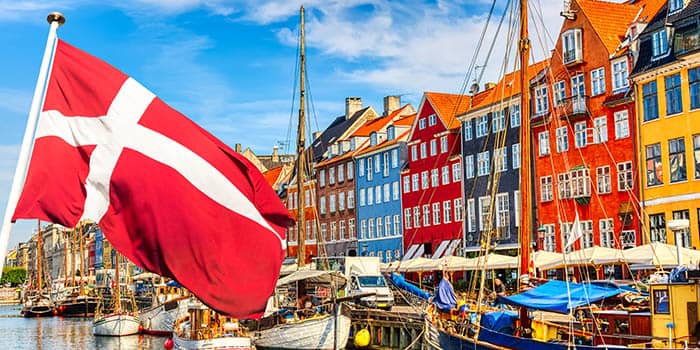
- The regulator said the sites were tailored for Denmark in multiple ways: Danish language, Danish currency, the Danish flag, marketing aimed at residents, native payment options, and Danish customer service. In other words, these were not generic offshore pages accidentally visible in Denmark.
- Since 2012, Denmark has blocked a total of 870 websites. The authority also reminded consumers that only websites carrying its license mark are authorized to offer games of chance in the country, and said users should check the registry to confirm a site is licensed.
The practical takeaway for high-risk payment teams is familiar: Denmark is still using a court-backed DNS blocking model, and the regulator is explicitly looking at localised language, currency, and payment methods as evidence that a site is targeting the market. For operators, that is the sort of fact pattern that tends to matter long before a brand becomes a household name.
Related news
All news →
Brazil bans online fixed-odds betting nationwide as Lula signs Provisional Measure No. 1,394
/https://i.s3.glbimg.com/v1/AUTH_59edd422c0c84a879bd37670ae4f538a/internal_photos/bs/2026/Y/0/v2wti0SXaSBGcDyBzkuQ/montagem-two-rows-1280x720px.jpg)
Before the ban, what Brazil’s presidential candidates were saying about online betting
Brazil: Why a Quick Reversal of the Gambling Crackdown Should Not Be Expected, According to Ilya Machavariani
Weekly high-risk digest
Regulation, sanctions and payment news across your verticals — once a week, free.
Please check your inbox and click the link to confirm your subscription.
Please enter a valid email address!