Chinese crypto transactions hit $176 billion despite the ban, with stablecoin P2P transfers accelerating
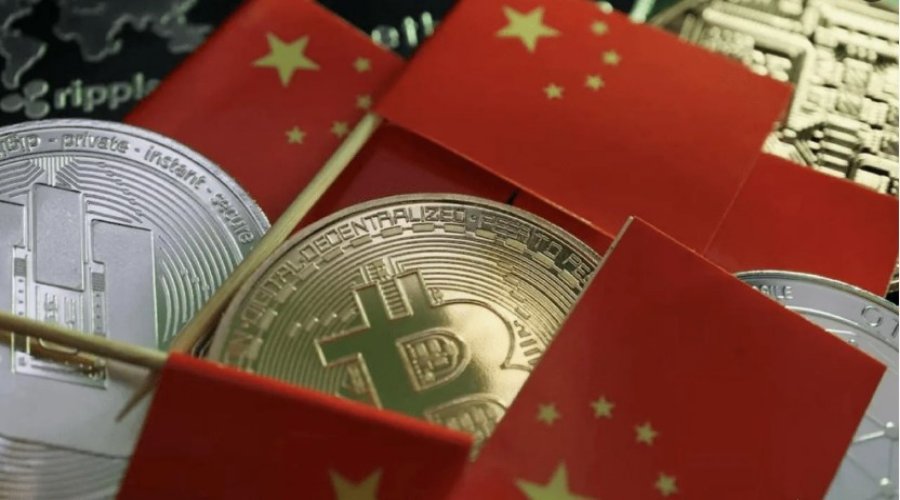
Chainalysis says Chinese users are moving more crypto directly between wallets and away from centralized venues, and stablecoins are doing most of the heavy lifting. For PSPs and payment firms watching high-risk flows, the point is not just that activity continued under a ban; it is that the payment rail seems to be shifting into a separate settlement channel.
- Over the period reviewed, Chainalysis counted 18.1 million P2P stablecoin transactions worth $104.1 billion in China. It also estimated that the average amount of these assets held on wallets was about $3.1 billion.
- Stablecoins in China turned over about 33.2 times a year, versus the global average of 9.3 times. Chainalysis said that pace looks more like a payment instrument and working capital than an asset people are parking as savings.
- The number of unique wallets sending fiat-pegged tokens to other users rose 43 times from Q1 2024 to Q2 2026. That is the clearest sign in the data that P2P use is replacing some of the activity that would normally sit on centralized exchanges.
- Since March 2025, smaller transfers have grown fastest: transactions up to $100 increased by 996%, those from $100 to $1000 by 1057%, and those from $1000 to $10,000 by 1321%. In other words, the market is not just moving large balances around; it is being used for everyday-sized payments too.
- Chainalysis linked the jump in P2P activity to the expansion of China’s social credit system into finance and the internet, which began in March 2025. The analysts also contrasted mainland China with Hong Kong, Japan, Singapore and South Korea, where digital-asset activity is being moved into regulated infrastructure.
Earlier, eight Chinese regulators, including the People’s Bank of China and the China Securities Regulatory Commission (CSRC), banned companies and individuals from issuing yuan-pegged stablecoins without special approval. That ban did not stop the flows; it seems to have changed their route.
Related news
All news →
Winning Poker Network Makes ScreenShield the Default on Americas Cardroom From November 4

Bitget adds Kazakhstan, Russia, and Belarus to its restricted countries list

Brazil’s sudden betting ban puts more than R$ 9 billion in federal tax revenue, R$ 30 million licence fees, and billions in sponsorship contracts back in play
Weekly high-risk digest
Regulation, sanctions and payment news across your verticals — once a week, free.
Please check your inbox and click the link to confirm your subscription.
Please enter a valid email address!