Gaming in Germany Conference 2026 publishes initial agenda on regulation, offshore enforcement, and new products

The 2026 Gaming in Germany Conference has set out an agenda that reads like a checklist for anyone running or supplying iGaming in Germany: the ongoing review of the 2021 State Treaty on Gambling, the push against offshore supply, and the still-open question of which new products regulators will allow next. For PSPs and acquirers, the interesting part is not the conference itself but the policy direction: product scope, market access, and payment friction are all on the table.
- The conference will cover the ongoing evaluation of the 2021 State Treaty on Gambling, strategies to fight offshore supply and the #ReclaimTheMarket push for licensed operators, and the current and future admissibility of new products, including prediction markets, sweepstakes, and eSports betting.
- It will also address online casino licensing for table games in North Rhine-Westphalia, Bavaria, Schleswig-Holstein, and Baden-Württemberg, plus the future of gambling monopolies that still exist in Germany and Austria.
- A separate topic on the agenda is Austria’s new market regulation, which matters because the opening of the regulated online casino market there would create additional opportunities for operators already active in German-speaking markets.
- Willem van Oort, founder of Gaming in Germany, said the listed issues are “very relevant” for running an iGaming business in Germany, adding that the possibility of offering new products remains attractive and that there will be “a lot of new and essential information” for attendees.
- The speaker list includes a Senior GGL representative, Dr. Joerg Hofmann of Melchers Law Firm, Dr. Dirk Quermann of Deutscher Online Casinoverband (DOCV), Mathias Dahms of Deutscher Sportwettenverband (DSWV), Alexander Müller of the FDP, Vasiliki Panousi of Kaizen, Christian Heins of European Gambling Gathering, and Thore Sieck, VP Global Sales at Adyen.
For high-risk payments teams, the agenda is useful mostly because it points to the pressure points that shape acceptance, routing, and compliance decisions: which products can be sold, where licensed operators can compete with offshore supply, and how much friction regulators expect around market access. In other words, this is the sort of policy debate that eventually shows up in chargeback ratios, onboarding criteria, and processor appetite.
Related news
All news →
BitMart misses its Sept. 9 roadmap deadline and names Alvarez & Marsal as financial adviser
Turkey shuts down payment infrastructure for offshore iGaming and makes mass arrests
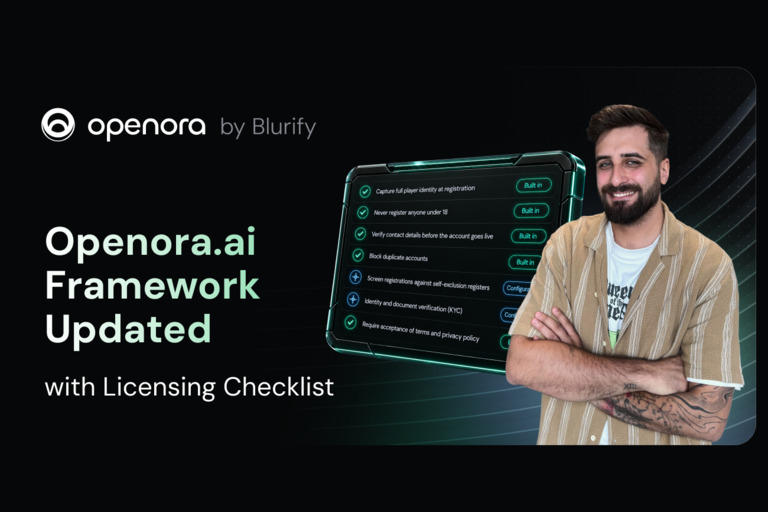
Blurify updates Openora with an iGaming licenses compliance checklist for Malta, Curaçao, Anjouan and Brazil
Weekly high-risk digest
Regulation, sanctions and payment news across your verticals — once a week, free.
Please check your inbox and click the link to confirm your subscription.
Please enter a valid email address!