Brazilians distrust betting influencers: 51% have a negative view, Ipsos-Ipec study says
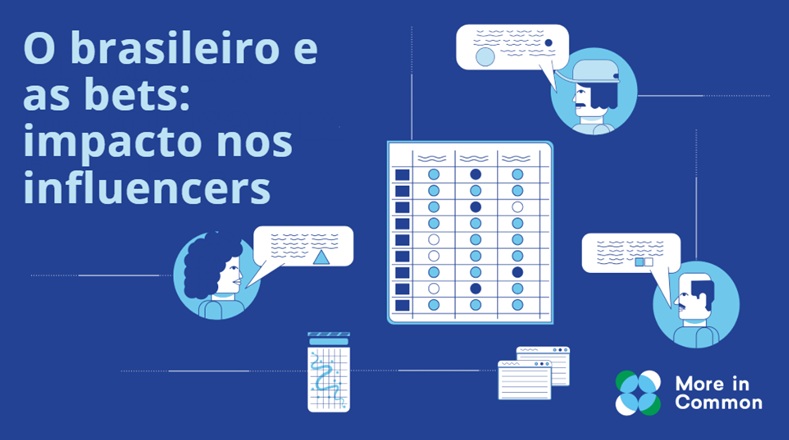
A new More in Common survey, conducted with Ipsos-Ipec, shows a clear trust problem for betting ads in Brazil: 51% of respondents view betting influencers negatively, while only 9% see them positively. For PSPs, acquirers, and payment teams in betting, that matters because the marketing machine may be growing, but the audience is not exactly applauding.
- The survey, reported by BBC News Brasil on Wednesday (30/7), found that 19% of Brazilians take a neutral view of influencers who promote bets. In other words, the public reaction is not just mixed; it is tilted against the people putting these offers in front of them.
- Among respondents with a negative view, 22% described these influencers as “irresponsible,” “selfish,” “manipulative,” and unethical. Another 17% said they are bad influences who exploit people, while 8% said they act solely in their own interest. A further 4% said they have unfollowed these personalities or support punishments and a ban on advertising.
- The trust effect is measurable, not just emotional. When asked about the impact of betting ads on trust in celebrities, 40% said they do not trust, or trust less, influencers, artists, and athletes who run this type of advertising. By contrast, 53% said their trust does not change, 4% said they trust them more, and another 4% did not know or did not answer.
- The skepticism is stronger among higher-income and better-educated groups: 48% of respondents with higher education and 46% of those earning above five minimum wages said they trust, or trust less, these personalities. Pablo Ortellado, executive director of More in Common in Brazil, said the immediate ad revenue is high, but the trust erosion is also high and concentrated in the higher-income, higher-education brackets that are more valuable for advertising.
- On the money side, the sector is not small. In a 2024 report, Itaú estimated betting industry marketing spend at between R$ 5.8 billion and R$ 8.8 billion. For 2026, the trend is toward expansion: master sponsorship of the Série A of the Brazilian Championship grew 125% in two years, and the sector moved into third place among the biggest TV advertisers, according to Ortellado.
For high-risk operators, the practical takeaway is simple: Brazil’s betting ad market is large, but the social license around influencer marketing is weak, especially where spending power is highest. That is the kind of mismatch compliance teams and PSPs usually end up dealing with after the campaign budget has already been signed.
Related news
All news →
Weekly high-risk digest
Regulation, sanctions and payment news across your verticals — once a week, free.
Please check your inbox and click the link to confirm your subscription.
Please enter a valid email address!