World Cup 2026 pushed Brazil’s betting infrastructure to the limit as Oddsgate flags payments, verification, and licensing pressure
The 2026 World Cup created a stress test for Brazil’s betting stack: traffic spikes, real-time payment flows, biometric checks, and the expiry of a reduced technical certification window all landed at once. For operators and PSPs, the message is simple enough — if your platform, KYC, and payments rails are not built for sudden volume, the tournament will tell you so quickly.
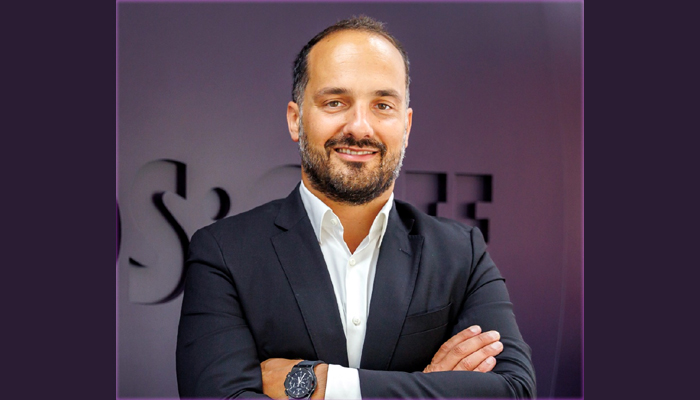
- Tiago Almeida, CEO and cofounder of Oddsgate, said the tournament exposed the mechanics that matter most in Brazil: simultaneous matches, live betting concentrated into second-by-second windows around goals, penalties, and VAR, and deposit behavior that follows the match clock. In practice, even hydration breaks and halftime became transactional events.
- As a reference point for the load on the market, Almeida said that in the 24 hours before the tournament started, verification providers processed more than 304,000 new users and about 1.2 million biometric authentications. His point was not subtle: operators without their own technology and without network scale can end up underdimensioned and without enough insight to absorb that kind of demand pattern.
- The technical transition window with reduced software certification requirements ended on 30 June. Almeida said operators that did not prepare for that deadline now face real operational risk, because the Secretariat of Prizes and Betting of the Ministry of Finance (SPA-MF) has already shown it will suspend companies. In April 2025, Portaria SPA/MF nº 787 suspended companies’ authorizations for failure to present the required certifications.
- According to Almeida, the exposure is not theoretical: operators that reached 30 June without full certification, under the full requirements, are exposed to demands, suspension, and ultimately revocation. For PSPs and payment partners, that is the part worth underwriting carefully — a licensing problem can turn into a payments problem very quickly.
- He also pointed to the scale of the illegal market, which still accounts for almost half of betting volume in Brazil. Combined with Brazil’s high tax burden, that creates a familiar high-risk-market squeeze: regulated operators carry compliance costs while still competing against channels that do not.
Almeida also said Oddsgate is folding the tournament’s lessons into its roadmap for the rest of the 2026 sports season, with particular attention to Pix, responsible gambling controls, and expansion into African markets such as Mozambique and Angola. For PSPs watching Brazil, the takeaway is less about the World Cup itself than the infrastructure profile it revealed: peak traffic, instant payments, verification throughput, and the cost of missing a certification deadline.
Related news
All news →
Weekly high-risk digest
Regulation, sanctions and payment news across your verticals — once a week, free.
Please check your inbox and click the link to confirm your subscription.
Please enter a valid email address!