Home/news/Brazilian betting sector generated R$8.7bn in tax revenue in the first half of 2026
news
Brazilian betting sector generated R$8.7bn in tax revenue in the first half of 2026
Payments High Risk
1 Sep 2026 · 1 min read
Brazil’s regulated betting market is only a year old, but the tax numbers are already doing a lot of political work. Licensed online betting and gaming operators paid R$8.7bn (€1.4bn) in taxes between January and June 30 2026, which is the kind of figure that makes bans and restrictions harder to sell when the treasury is watching.
According to the Federal Revenue Service, licensed online betting and gaming companies in Brazil paid R$8.7bn (€1.4bn) in taxes in the first half of 2026. That was up 76.86 per cent from the same period in 2025.
The comparison matters because Brazil’s regulated market launched on January 1 2025. In its first six months, operators contributed R$4.9bn, and total tax intake for 2025 reached R$9.95bn under the 12 per cent levy on gross gaming revenue.
The market opened with 63 licensed firms, both domestic and international. On traffic, Brazil now ranks as the fourth largest betting market globally, according to Blask. For PSPs and acquirers, that is the important bit: volume arrived fast, and so did the scrutiny.
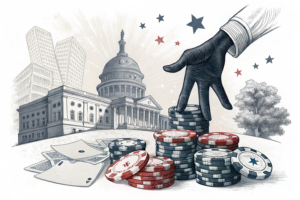
The political backdrop is turning less comfortable. President Luiz Inácio Lula da Silva has called for a ban on online casino gambling, while an opposition Liberal Party deputy is proposing to prohibit sports betting in Brazil. Flavio Bolsonaro, leader of the Liberal Party and son of former president Jair Bolsonaro, is reportedly considering whether to propose a betting ban or severe restrictions in his manifesto for the October elections.
The fiscal argument is straightforward. Brazil has major spending needs, including a multi-billion reais housing reform plan, and the government is accelerating betting tax increases: the rate is set to rise to 15 per cent next year and 18 per cent by 2028. On paper, this is a policy debate; in practice, it is also a revenue debate.