Brazil bans online sports betting and casinos as 2025 gambling losses top $10 billion
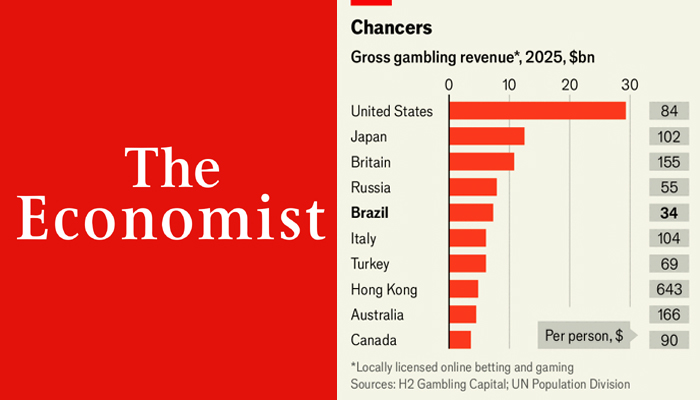
Brazil’s government has moved from regulation to prohibition, banning sports betting and online casinos at the end of September in a decree signed by President Luiz Inácio Lula da Silva. For PSPs, acquirers, and banks serving high-risk merchants, the important bit is not the political theater; it is the combination of a huge market, weak historical controls, and a fast-moving shift in who gets to process payments at all.
- The decree targets a sector that, according to The Economist, produced more than US$ 10 billion in gambler losses last year, more than Brazilians spent on cigarettes and McDonald’s combined. Brazil had become the fifth largest gambling market in the world in 2025, which is a useful reminder that “local enforcement action” can still hit a very large payment flow.
- Lula said the ban was aimed at curbing household debt, deaths linked to addiction, and the spread of problem gambling. An academic study from the same year found that about 7% of Brazilians showed problematic gambling behavior, more than three times the rate in the United Kingdom, where the figure is 2%.
- Brazil’s path is different from the one taken by the United Kingdom, Germany, and Italy, which chose betting limits, active supervision, and player-protection rules instead of broad bans. That matters because the real payment risk is not only whether a market is legal, but whether the legal framework is specific enough to keep merchants, processors, and banks inside the perimeter.
- Gambling was legalized in Brazil in 2018, but the law left major gaps: no sector taxes and no advertising rules. In 2024, the government tried to close them with limits on betting ads, restrictions on credit cards for betting, mandatory age verification, a R$ 30 million licensing fee per operator, and a 12% tax on revenue.
- Daniele Cardoso of the Secretaria de Prêmios e Apostas, the sector regulator, said implementing those safeguards was difficult. Guilherme Klein of the Universidade Federal do Rio de Janeiro estimates that bettors diverting money away from more productive activity reduced Brazil’s GDP by 1% in 2025, while Luiz Orsatti of Procon-SP said more people began staking larger amounts and building up debts.
Anchieta Nery, head of intelligence at the Ministry of Justice, said operators from the jogo do bicho did not disappear during legalization; they simply moved online, where they now run legal and illegal sites. For payment teams, that is the practical line to watch: when regulation is uneven, the flow does not vanish, it changes wrappers.
Related news
All news →
Flávio Bolsonaro tells Globo leadership Congress already has a deal to bring back betting, with online casinos still undecided
Legalized betting associations take anti-ban manifesto back into Brazil’s Brasileirão this weekend
Stablecoin payments rose 45% to $482 billion through September as Mastercard, Stripe and Visa tie crypto to card and bank rails
Weekly high-risk digest
Regulation, sanctions and payment news across your verticals — once a week, free.
Please check your inbox and click the link to confirm your subscription.
Please enter a valid email address!