Brazil’s IBJR flags 60,477 suspicious betting addresses and 34,134 scam-like sites after the betting ban
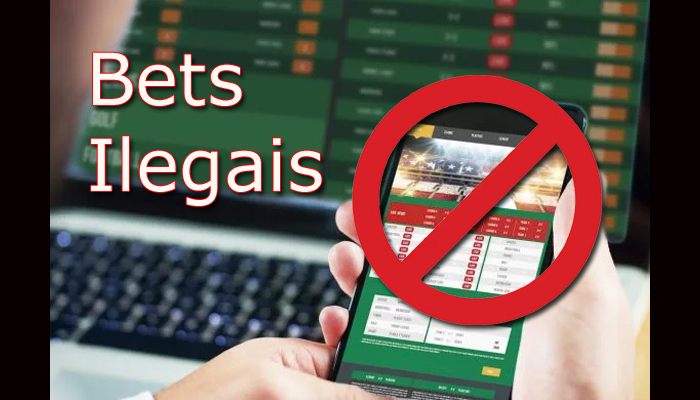
The Brazilian Institute of Responsible Gaming (IBJR) says its monitoring system has identified 60,477 suspicious addresses since Brazil’s betting ban took effect, with 34,134 of them showing betting-site characteristics such as bonuses, Pix payments, and registration forms. For PSPs and acquiring teams, the useful part is not the headline number; it is the scale of post-ban traffic still trying to look like legitimate gaming businesses.
- The figures come from LegitBet, the IBJR’s monitoring system, and were updated through Tuesday, 27/10. According to the association, the 60,477 entries are suspicious addresses in the database, not necessarily newly created sites. The 34,134 confirmed cases are pages where the system found betting-related elements, but that does not replace an authority’s review of each site.
- The data was collected after Medida Provisória 1.394/2026 prohibited the operation, offering, intermediation, and advertising of fixed-odds betting in Brazil. The restriction covers sports betting and online games, including services offered by companies based abroad to people located in Brazil. Sites and apps for these bets were supposed to become unavailable from 6 October, according to the schedule published by the Ministry of Finance.
- The IBJR also says some operators are using well-known brands to push users toward other platforms. Carlos Lima, the group’s chief executive, said: “We are facing scams that exploit consumer trust in well-known brands. There are sites that imitate the visual identity of operators such as Betano, Novibet, Bet365 and BetMGM.”
- BetMGM’s press team said it found one page using the company’s name as a gateway to another platform. Clicks redirected visitors to a site advertising a 500% bonus on the first four deposits, according to the material sent to the report. The imitation address is not an official BetMGM channel, and the company also said third-party pages are using its name and those of other operators to attract readers and send them to different betting houses.
- On Tuesday, 27/10 alone, 436 suspicious addresses were added to the LegitBet database, and 231 of them were confirmed by the tool. On the same day, the system logged 374 suspicious links across monitored channels. That metric tracks link circulation, not necessarily the appearance of new sites. The monitoring process uses internet searches, recent domain registrations, networks of already tracked pages, Telegram channels, and social media.
For the high-risk payments crowd, the message is straightforward: where a market is restricted, bad actors tend to borrow the visual language of known brands, route traffic through third-party pages, and use incentives like deposit bonuses and Pix references to make the funnel look familiar. That is exactly the environment where merchant screening, URL-level monitoring, and brand-abuse checks stop being nice-to-have paperwork and become part of the acceptance decision.
Related news
All news →
Compromised laptop may have been the entry point in Binance’s crypto theft investigation

Dutch regulated gambling captured 59% of market revenue in 2025 as Ksa flags heavy losses on illegal sites

Ethereum’s EIP-7702 let an attacker drain about $2.5 billion from a Binance wallet in less than four minutes
Weekly high-risk digest
Regulation, sanctions and payment news across your verticals — once a week, free.
Please check your inbox and click the link to confirm your subscription.
Please enter a valid email address!