Russia’s Finance Ministry wants to pull more than 10 million crypto wallets into its domestic market
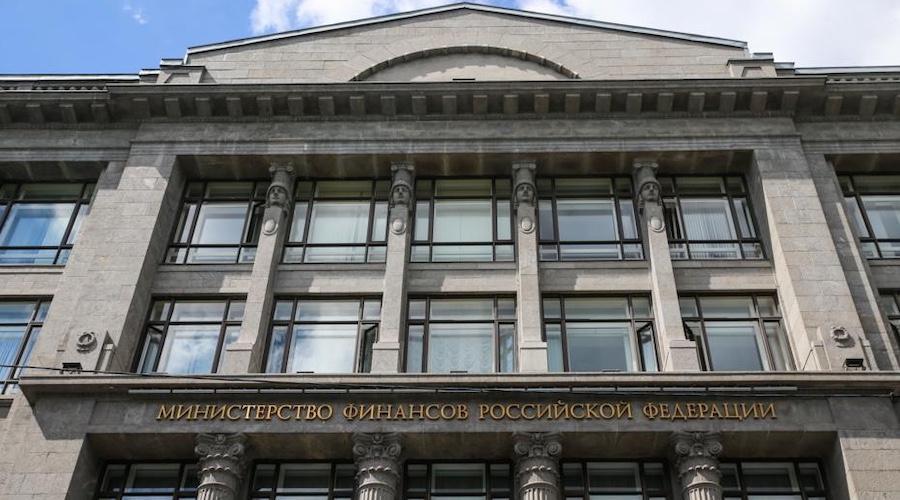
Russia’s Finance Ministry says Russians have more than 10 million wallets on foreign crypto platforms, and it wants to “pull” that activity into the “Russian contour.” For high-risk payment and crypto businesses, the real issue is not the headline number; it is whether Russia is trying to build a controlled liquidity loop that keeps prices aligned and trading inside a licensed framework.
- Deputy Finance Minister Ivan Chebeskov said the ministry’s goal is to move activity from foreign venues into Russia’s own market structure. He added that international exchanges showed interest in the Russian crypto market even while the draft law on state control over digital assets was still being prepared.
- Chebeskov expects foreign platforms to work as liquidity pools, so that price gaps between platforms do not appear. “International platforms will also connect to us,” he said. “The market may differ a little, but in general we expect a flow of liquidity. If arbitrage appears, it will be closed.”
- Even if there is no direct transfer of funds between foreign and Russian venues, Chebeskov said market participants will emerge who will make money from that spread and create liquidity anyway. In other words, the ministry is betting that the market will route around friction rather than stop trading.
- Chebeskov said Russia has around 20 million crypto investors, with total investment in these assets of at least 3.7 trillion rubles. The Ministry of Finance estimates the daily volume of crypto operations in Russia at about 50 billion rubles.
- He also expects the State Duma to pass, during the autumn session, a bill introducing criminal liability for organizing crypto trading without a license or without inclusion in the Central Bank’s register. The offense, he said, would apply to organizing such activity, not to ordinary citizens’ transactions with their own digital currency, and qualification would depend on the size of the income earned or the damage caused.
There is a second-order effect here for PSPs, exchanges, and banks that touch crypto flow: the market is being framed as one where licensed domestic venues, foreign liquidity sources, and regulatory enforcement all have to coexist. That usually means tighter control over who can run the venue, who can clear flow, and who gets blamed when the arbitrage disappears.
Related news
All news →

Weekly high-risk digest
Regulation, sanctions and payment news across your verticals — once a week, free.
Please check your inbox and click the link to confirm your subscription.
Please enter a valid email address!