Flávio Bolsonaro blames Lula for Brazil’s betting debt as he attacks “virtual casinos” on September 23 in São Paulo
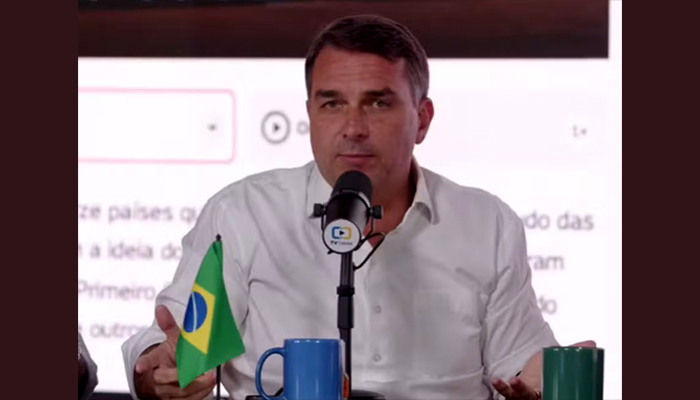
Flávio Bolsonaro used a live event in São Paulo on Wednesday (23/9) to blame President Luiz Inácio Lula da Silva for the rise of online betting in Brazil and the household debt tied to it. For PSPs and acquirers in high-risk verticals, the point is not the rhetoric; it is the political direction of travel around regulation, enforcement, and who gets blamed when the bill comes due.
- Speaking alongside Governor Tarcísio de Freitas (Republicanos) and Mayor Ricardo Nunes (MDB), Flávio said he is now against “games of any kind” and accused Lula’s government of allowing and regulating online casinos. “The problem is the online casinos this government allowed. I voted against the release of games, the whole PT caucus voted in favor. And then Lula pretends to be naive, but he allowed and regulated it,” he said.
- He tied family debt directly to what he called government inaction: “Lula does not fight illegal bets, does not supervise the legal ones. He let it run loose and everyone went into debt. This debt you have with Tigrinho is Lula’s fault and now he has the nerve to say he will end this.”
- Flávio also used Fortune Tiger, the virtual casino game known in Brazil as “Jogo do Tigrinho,” to mock the president. He claimed that if you compare the number of bettors at the end of Jair Bolsonaro’s government with today, it is “almost double.”
- The article says this stance is a reversal from Flávio’s earlier position. In January 2020, he joined an official Senate mission to Miami and Las Vegas, met executives of Las Vegas Sands, and visited the Venetian hotel-casino. At the time, he said integrated resort investors were prepared to put about US$ 15 billion into Brazil and wrote: “We just need to do our homework.”
- That earlier push met resistance from the evangelical bloc, which opposed legalization of gambling. Silas Câmara (Republicanos-AM), then the group’s coordinator in the Chamber, downplayed Flávio’s role in that agenda but said it would be difficult for regulation to advance under that government. Flávio later joined the Frente Parlamentar Evangélica in the Senate in 2023 and voted in 2024, in the Constitution and Justice Committee, against the bill that would authorize casinos, bingo, jogo do bicho, and betting on horse racing.
For the high-risk payments crowd, the useful signal is simple: Brazil’s betting debate is still being framed not just as a licensing issue, but as a household-debt issue. When politicians start talking about “illegal bets,” “legal supervision,” and “virtual casinos” in the same breath, the compliance perimeter tends to get more political, not less.
Related news
All news →
Weekly high-risk digest
Regulation, sanctions and payment news across your verticals — once a week, free.
Please check your inbox and click the link to confirm your subscription.
Please enter a valid email address!