Brazil Senate committee approves restrictions on betting ads and sponsorship
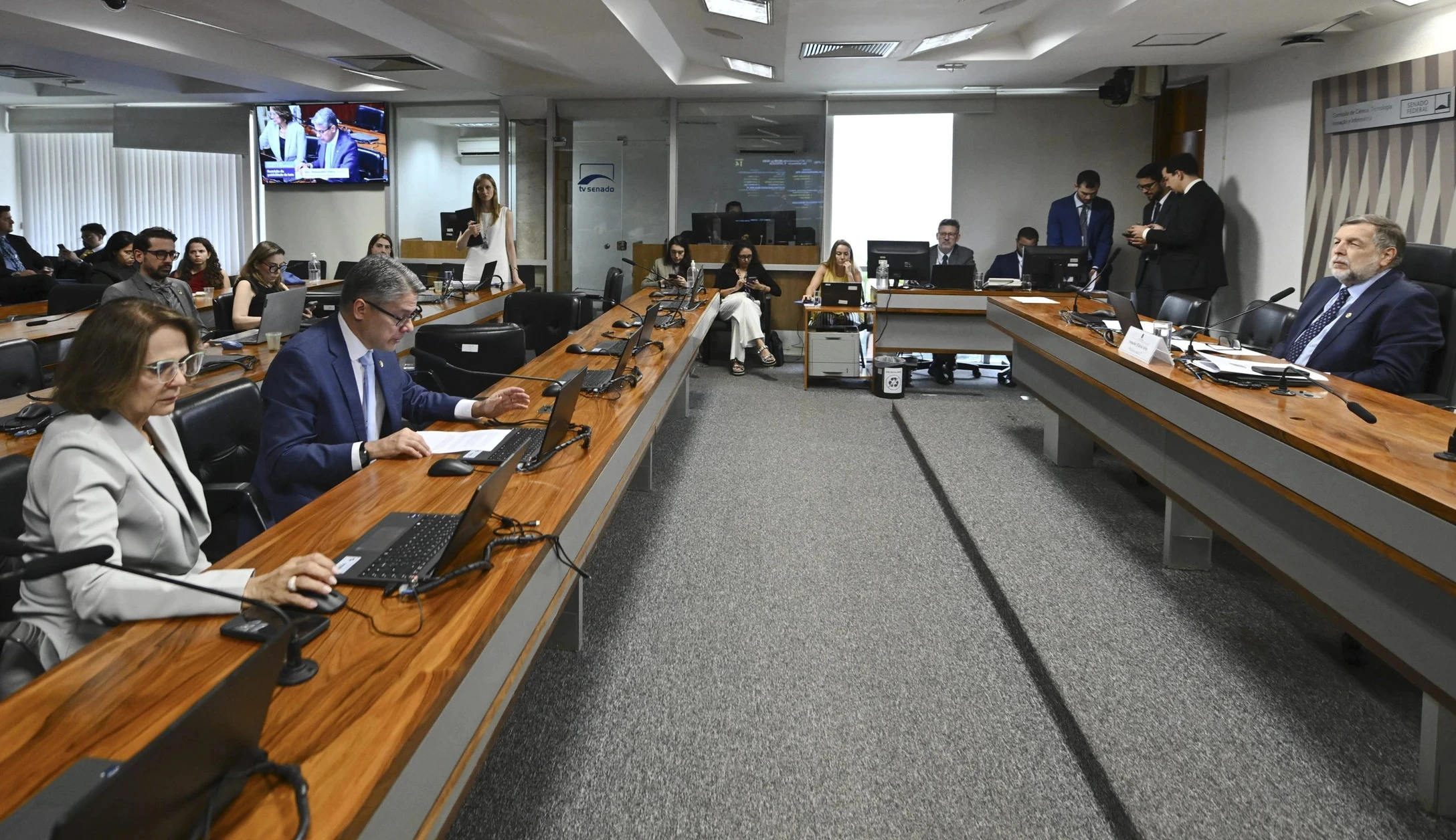
Brazil’s Science and Technology Committee (CCT) has approved Bill 2.470/2026, which would tighten rules on online betting advertising and sponsorship and add criteria for product risk classification. For licensed operators and their payment partners, the practical issue is not just ad compliance: the bill would also leave the illegal market outside the new rules, which is usually where the payment and merchant risk starts to get ugly.
- On Wednesday, the CCT approved the proposal and also backed an urgency request so the Senate Plenary can review it sooner. The bill was authored by Senator Damares Alves and six other senators and received a favourable substitute from Senator Alessandro Vieira.
- Bill 2.470/2026 would amend Brazil’s Betting Law, which regulates fixed-odds betting. The stated goals are to protect mental health, consumers, and the family economy. Senator Alessandro Vieira described it as “a non-partisan initiative,” saying it reflects “society’s current understanding of the extent of the damage caused by so-called betting.”
- The approved text would prohibit direct or indirect betting advertising across radio and television, newspapers, magazines, outdoor media, streaming services, podcasts, social networks, video platforms, apps, websites, blogs, forums, search engines, and other internet environments. The ban also extends to instant messaging, SMS, email, notifications, algorithmically targeted advertising, telemarketing, electronic games and esports, sports uniforms and equipment, public transport, affiliate content, tipsters, comparison sites, and other paid intermediaries.
- The proposal would also ban bonuses and promotional incentives used to drive acquisition or retention, including promotional credits, free bets, cashback, free spins, rewards, and loyalty programmes. It would further block messaging that presents betting as risk-free, a source of income, a financial solution, a sure profit, a guaranteed method, or a way to recover losses.
- The restriction would not apply to strictly institutional communication made through an authorised operator’s own official channels, including websites, apps, internal platform areas, and customer service channels. In those spaces, the information would have to stay limited to company identification, official content, and similar basic operator communications.
There is one line in the proposal that matters more than the rest for PSPs and acquirers: the measure would not touch illegal platforms. If the Senate keeps that structure, the regulated side takes the marketing hit while the offshore side keeps operating in the same environment, which is usually how market share shifts without much ceremony.
Related news
All news →Mahadev Book founders Ravi Uppal and Sourabh Chandrakar surface in Dubai, Vanuatu and Oman after India arrest requests
/https://i.s3.glbimg.com/v1/AUTH_da025474c0c44edd99332dddb09cabe8/internal_photos/bs/2026/M/f/omB1F0QrqUknUaO1rWyQ/6p3a8515.jpg)
Brazil’s anti-betting MP takes effect immediately, but needs Congress approval within 120 days
Brazil suspends online betting and casino gambling with immediate effect, blocks licensed sites from October 6
Weekly high-risk digest
Regulation, sanctions and payment news across your verticals — once a week, free.
Please check your inbox and click the link to confirm your subscription.
Please enter a valid email address!