India’s Prime Minister’s Office Summons Telecom Secretary After Fake Court Orders Were Used to Block 129 Betting Sites
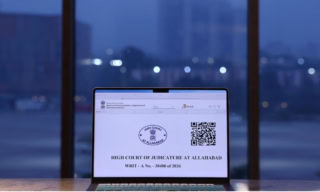
Prime Minister Narendra Modi’s office summoned Telecom Secretary Amit Agrawal after officials ordered the blocking of more than 100 websites on the basis of forged court orders. For PSPs, acquirers, and payment teams in India-facing high-risk verticals, the point is simple: if the content-takedown process can be triggered with fake legal paperwork, website access can be cut off first and questions asked later.
- According to two government officials, Agrawal was called back from a trip to another state to explain how the blocking orders were issued. He is the most senior bureaucrat in the telecommunications ministry, which oversees entities ranging from large telecom operators to internet providers.
- The summons followed a Reuters report on Wednesday saying telecom officials directed internet providers to block 129 illegal betting websites on the strength of fake High Court orders. The orders were emailed to officials by people posing as lawyers, and one official said the Department of Telecommunications carried out the action through the relevant field officers.
- Online betting is illegal in India, but the case has exposed a different operational risk: weak safeguards in the takedown system can let forged court documents be used to block legitimate websites. For payment providers, that matters because a domain block can interrupt traffic, deposits, and merchant operations before the legal basis is fully checked.
- State police have opened a criminal investigation into possible forgery and cheating by unidentified people and have sought ministry records. The telecoms ministry has also started an internal inquiry, Reuters reported on Friday.
- Reuters identified two state court orders as fake, based on comments from police and the court registry. Both carried fabricated court logos and seals, plus a fake QR code. The orders, along with correspondence showing officials directing internet providers to remove the websites, had been publicly available on the Department of Telecommunications’ website for months; on Saturday, one fake order was still accessible there, while the other had been removed.
India’s Supreme Court last year said forgery of judges’ signatures strikes at the foundation of public trust and cannot be treated as routine. In July, the court set aside a tribunal’s orders that relied on non-existent judgments, and a US judge recently disqualified lawyers over fabricated legal citations.
Related news
All news →


Weekly high-risk digest
Regulation, sanctions and payment news across your verticals — once a week, free.
Please check your inbox and click the link to confirm your subscription.
Please enter a valid email address!