Brazil bans bets and will not refund R$ 2.55 billion in licensing fees
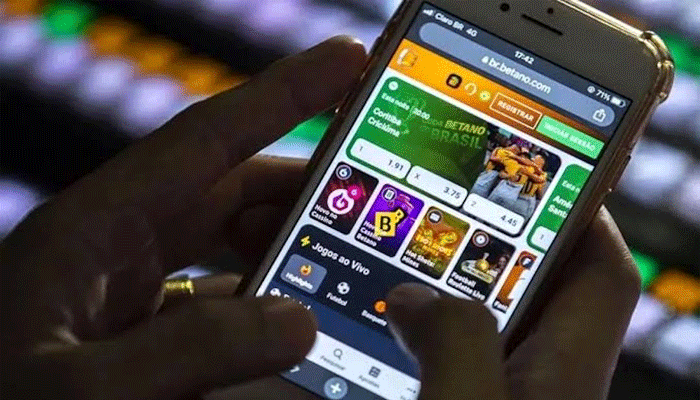
A provisional measure has shut down 85 betting authorizations in Brazil and makes no provision for returning the fees already paid, or for compensating operators for lost future profits. For payment providers and banks, the important part is simple: the licenses are gone in 30 days, websites and apps must go dark from October 6, and the legal fight will almost certainly move to court.
- The provisional measure published on Friday (25/9) is already in force, but it still has to go through the National Congress, which can approve it, amend it, or reject it. Until then, the legal framework is in a strange place: the state has pulled the license, but the political process is not finished.
- Since the end of 2024, the government had granted 85 operating authorizations for bets in Brazil, each at a cost of R$ 30 million, for a total of R$ 2.55 billion collected from companies in the sector. The new measure extinguishes those authorizations without any refund, either full or partial.
- The text classifies the termination of the authorizations as a measure of public interest. On that basis, the government rules out compensation for investments made, for profits companies expected to earn, and for the expectation that the business would continue. In plain terms: the state says the license was paid for, but the ending of the business does not create a claim for the money back.
- According to Globo Online, the lack of reimbursement is the most sensitive point and is expected to trigger lawsuits. Daniel Dias, professor at FGV Direito Rio, said the issue is not the ban itself, but the way it was implemented, “in such a violent manner,” and argued that at minimum there should have been a proportional refund. He also said the absence of a transition period, reparations, and earlier measures such as a total ban on advertising could create legal uncertainty beyond the betting sector.
- Under the previous regulation, each authorization was valid for five years and allowed a company to operate up to three brands. Under the provisional measure, those authorizations will be extinguished in 30 days, and before that, from October 6, the operators’ websites and apps must be unavailable.
The thing high-risk PSPs will care about is not the political theater; it is the mechanics. Brazil has moved from a paid licensing model to immediate termination without compensation, which is exactly the kind of setup that tends to end up in court and complicate merchant, acquiring, and settlement planning.
Related news
All news →
Bets stayed out of Brazil’s second-round debate as Lula and Flávio Bolsonaro avoided the issue
Brazil’s Supreme Court opens money laundering inquiry involving Flávio Bolsonaro and lawyer Willer Tomaz
Brazilian Supreme Court opens probe into Flávio Bolsonaro and betting-linked companies after Rio Grande do Sul case
Weekly high-risk digest
Regulation, sanctions and payment news across your verticals — once a week, free.
Please check your inbox and click the link to confirm your subscription.
Please enter a valid email address!