G2E 2026 in Las Vegas puts prediction markets at the center of the debate
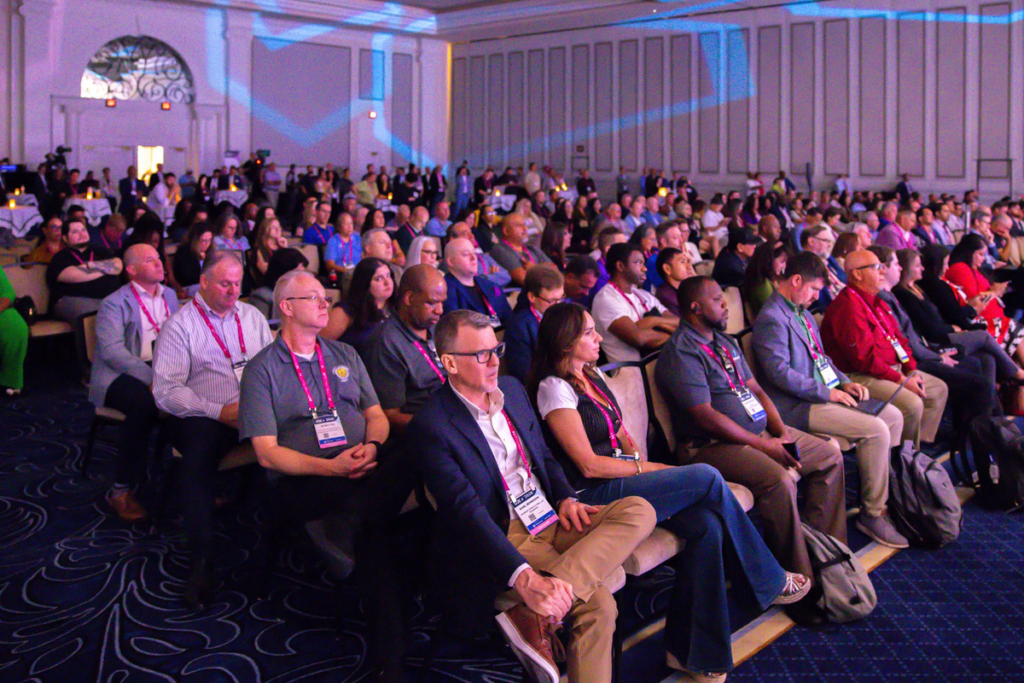
G2E 2026 opened on September 28 at the Venetian Expo in Las Vegas and ran through October 1, with prediction markets emerging as one of the main topics on the floor. For high-risk operators and PSPs, the real issue is not just the hype cycle: it is who gets to supervise these products in the United States, and under which rules.
- On Tuesday, Craig Billings of Wynn Resorts, Bill Hornbuckle of MGM Resorts International, and Tom Reeg of Caesars Entertainment took the main stage, with Contessa Brewer of CNBC moderating the discussion. They talked about Las Vegas demand, consumer behavior, and the pressure points facing the industry right now.
- Reeg said the pandemic created a bubble that began with reopening, moved into regional markets, and then reached the destination market. He said Las Vegas has returned to its normal seasonality after a couple of exceptional summers, noted that occupancy reached 98%, and said current rhythms look similar to the pre-pandemic period.
- Brewer raised criticism over high prices for some items at MGM properties, including bottles of water and cocktails. Hornbuckle replied that the luxury segment remains strong and pointed to growth in the convention business. He also said consumers are dealing with higher costs in areas such as airline tickets and fuel, which means operators need to watch how that filters through to different visitor segments. Billings said Wynn mainly serves a high-end audience and flagged higher operating costs in the city.
- Earlier, Bill Miller, president and chief executive of the American Gaming Association (AGA), used his annual speech to focus on the fast growth of prediction markets. He said the gaming industry in the United States creates 1.8 million jobs, pays US$53.000 million in taxes that fund schools, infrastructure and services, and contributes US$329.000 million to economic growth. He also said the sector follows state laws, respects regulation, and honors tribal sovereignty.
- Miller said prediction platforms come in through the “back door” and ignore laws, regulators, and taxes. He said Kalshi told a federal court that offering sports betting would be illegal, yet the company handled sports bets of more than US$190.000 million and paid no taxes. According to Miller, these firms created only about a dozen jobs. He also warned that they target people aged 18 to 21 by presenting betting as an investment.
For high-risk payments businesses, the takeaway is straightforward: prediction markets are no longer a side conversation. They are becoming a regulatory and commercial issue that sits close to sports betting, consumer acquisition, and the question of which rails can support products that regulators may treat very differently from traditional gaming.
Related news
All news →


Weekly high-risk digest
Regulation, sanctions and payment news across your verticals — once a week, free.
Please check your inbox and click the link to confirm your subscription.
Please enter a valid email address!