Flávio Bolsonaro criticizes Brazil’s end of fixed-odds sports betting and says it could affect the 2027 Women’s World Cup
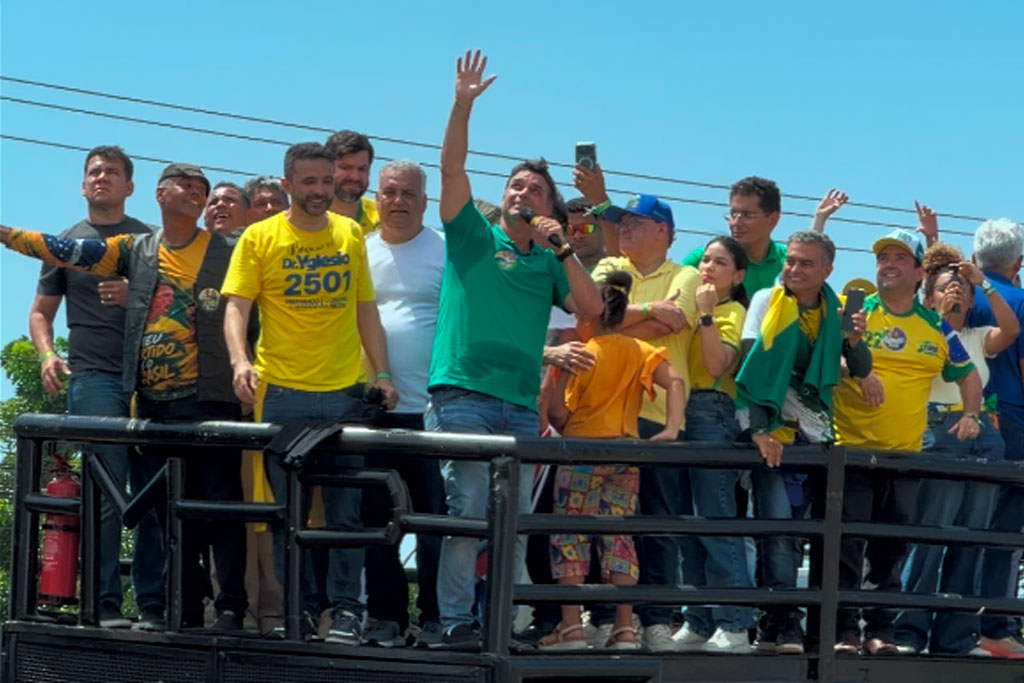
Campaigning in Goiânia on Sunday, September 27, Flávio Bolsonaro attacked the Lula government’s provisional measure that ended fixed-odds sports betting in Brazil. For high-risk operators, the point is not the football theater — it is that Brazil’s policy change is being framed as a contract-breaker for clubs, sponsors, and the wider betting ecosystem.
- Flávio Bolsonaro, the PL candidate for president, called the government’s decision a “temerity” and said it could create risks for football and for the 2027 Women’s World Cup in Brazil. The remarks were reported by Valor during a campaign event in Goiás one week before the first round of the election.
- He argued that the provisional measure wrongly treats fixed-odds sports betting, the so-called bets, and online casinos as the same thing. In his view, the policy is not just a regulatory adjustment; it is a clean break that would hit different product categories in the same sweep.
- Flávio said the measure would break contracts between betting companies and football clubs, with direct impact on women’s football. “Look at the impact of this. It breaks all the contracts that several football clubs, for example, had with these companies. With that, for example, women’s football will be one of the hardest hit. We have the Women’s World Cup here in Brazil next year. He is making it unworkable. There is a risk of not having the Women’s World Cup because of this pen stroke from Lula,” he told journalists.
- He also said retailers selling products branded by betting companies would be affected and would no longer be able to sell them. His line was simple enough: moving overnight from one regime to another creates broad commercial disruption, not just for operators but for the merchants sitting in their sponsorship orbit.
- From the top of a campaign sound truck, Flávio also tied Lula to online casinos and the “Jogo do Tigrinho,” holding up a printed paper he described as a “DNA test” to identify the game’s parentage. Separately, he used Goiás to sharpen his attack on Lula, while saying he does not view Ronaldo Caiado, who is also in the race, as a direct opponent.
One detail worth watching: a Quaest poll released on Thursday, September 24, put Flávio first in Goiás with 33% of voting intentions, up from 27% on August 27. Lula was at 27%, up from 20%, while Caiado was at 23%, down from 32% in August. That does not settle the policy question, but it does show betting regulation and football sponsorship are now being folded into the campaign narrative, which is usually when the compliance risk conversation gets louder.
Related news
All news →
Russia’s new crypto market is taking shape without P2P, with banks and licensed intermediaries in the middle
The Guardian: Anjouan gambling licences may have been sold by British entrepreneurs as Comoros calls the regime illegal
The Anjouan regulator behind more than 1,500 licences may be run from a UK office by Toby Sorski, The Guardian says
Weekly high-risk digest
Regulation, sanctions and payment news across your verticals — once a week, free.
Please check your inbox and click the link to confirm your subscription.
Please enter a valid email address!