Mastercard launches Wallet Pay to connect digital wallets across cards, QR, NFC and online payments
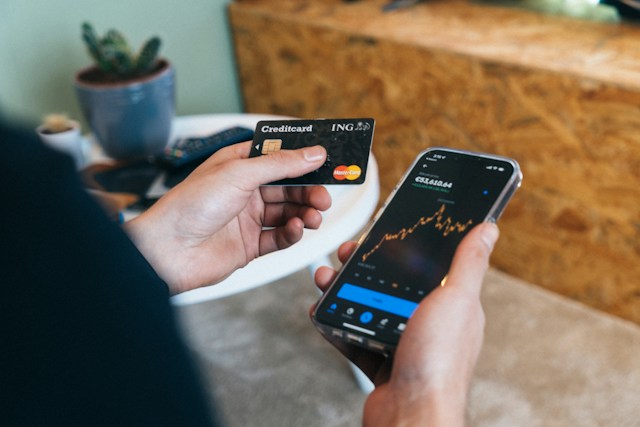
Mastercard has launched Wallet Pay, a portfolio of tools aimed at making digital wallets work across contactless, QR code and online payments without forcing providers to rebuild their stack. For PSPs and wallet operators, the point is less the branding and more the plumbing: interoperability, issuing, merchant acceptance and cross-border transfer rails in one package.
- Wallet Pay brings together Mastercard and a group of wallet providers, including Alipay+, the global wallet gateway operated by Ant International, plus Axian, CRED, DaviPlata, Mercado Pago, MTN and TenPay Global. Alipay+ connects AlipayHK, Clip, GCash, KakaoPay, TNG eWallet and TrueMoney, which gives Mastercard a ready-made network of wallet ecosystems rather than a single standalone product.
- Mastercard says digital wallets already serve more than 4.3bn users globally, and expects that number to surpass 6bn by 2030. In other words, wallets are already too big to treat as a side channel, and the interoperability problem is now a commercial one, not just a technical one.
- The portfolio is built around five pillars that use cloud-based payment technology and Mastercard’s acceptance network to let providers add services without overhauling existing infrastructure. It is also designed to improve interoperability across borders, platforms and payment types, while giving providers issuing capabilities to launch their own credit, debit or prepaid card programmes.
- Wallet Pay also combines digital and e-commerce payment capabilities, so merchants can accept cards and wallets online and in person. Mastercard said this connects more than 3.7bn Mastercard credentials to digital wallets, while its transfer capabilities are meant to enable faster movement between cards, wallets and accounts across more than 200 countries and territories in 150 currencies.
- The launch also includes tools for underbanked and unbanked consumers in emerging markets, extending Mastercard’s financial inclusion push. It follows the formation of Mastercard’s Global Financial Health Coalition, which brings together digital wallet providers to narrow the gap between access to financial tools and genuine financial health.
For high-risk payment stacks, the practical read is straightforward: Mastercard is trying to make wallets behave more like a transport layer than a closed product. That matters in markets where merchants need multiple acceptance types, local wallet schemes and cross-border settlement paths, and where “interoperability” is usually a nicer word for “please stop making us integrate everything twice.”
Related news
All news →
Brazil’s illegal betting market fell to 38%–44%, but advertising still complicates regulation
Curaçao regulator revoked Rollbit’s crypto casino licence three months ago, but the product kept taking players
Swipe Games launches a TikTok-style casino format with 20,000 AI-generated videos and reported average stakes 20 times higher than crash games
Weekly high-risk digest
Regulation, sanctions and payment news across your verticals — once a week, free.
Please check your inbox and click the link to confirm your subscription.
Please enter a valid email address!