Five suspects linked to Sur Finanzas, the AFA-connected lender, refuse to testify in Argentina probe
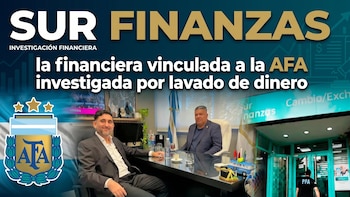
The thing about the Sur Finanzas case is that it is no longer just about a finance company with football ties. Prosecutors say the operation moved more than USD 108 million between September 2020 and December 2025, and the way that money allegedly flowed through 16 football clubs is exactly the kind of detail payment and risk teams should pay attention to.
- Five alleged collaborators of Maximiliano Ariel Vallejo refused to testify before Federal Criminal and Correctional Court No. 2 in Lomas de Zamora, under Judge Luis Armella and prosecutor Cecilia Incardona. The five are Graciela Beatriz Vallejo, María Fernanda Sena Argis, Bárbara Denise Sena Argis, Gerardo Salvador Carrozza, and Daniela Eliana Sánchez.
- According to the prosecution, Sur Finanzas, which is linked to the Argentine Football Association (AFA), is being investigated for money laundering, criminal association, and fraud by fraudulent administration. The case allegedly ran from September 2020 to December 2025 and had Banfield at its center, while also moving funds through 16 football clubs.
- Vallejo was the only defendant to have testified so far. He appeared in court on 26 May, submitted a written statement, and answered only his defense counsel’s questions. In that filing, he said: “Me declaro inocente de la totalidad de los hechos que se me atribuyen en la presente causa, rechazando enfática y categóricamente cada una de las imputaciones formuladas en mi contra”.
- Orally, Vallejo called the case “mediatic” and said he was facing a presumption of guilt created by “popular statements in the media.” He also said his wealth came from his work and his business holding, and that the USD 110,000 found in foreign currency during the raids had been legally acquired after Argentina lifted the currency controls in 2025.
- On the Banfield loans, Vallejo referred to two mutuo contracts for USD 500,000 each, signed in July and October 2023, with monthly interest rates of 3% and 4% in dollars. He described himself as “a simple sponsor” who had made “a loan to the president of an institution,” and said that “today I am the damaged party who has not been paid what they owe me plus interest.” He did not answer questions about operations with San Lorenzo, Argentinos Juniors, Temperley, or Estrella del Sur, among other clubs where Sur Finanzas reportedly acted as sponsor or extended loans at usurious rates.
For high-risk PSPs, the important bit is not the football gossip. It is the structure: a finance business with club ties, repeated lending relationships, foreign-currency cash found in raids, and a prosecution theory built around money laundering and fraud. That combination is exactly where merchant onboarding, source-of-funds checks, and club-related payment flows tend to get expensive very quickly.
Related news
All news →
Brazilian clubs warn that banning sports betting would push the market underground

Flamengo backs regulated sports betting market in Brazil and warns federal government over possible rule change
French sanctions committee fines sports betting operator €20,000 over asset-freezing failures
Weekly high-risk digest
Regulation, sanctions and payment news across your verticals — once a week, free.
Please check your inbox and click the link to confirm your subscription.
Please enter a valid email address!