A single market worth protecting: what the MiCA review should fix and what it should leave alone
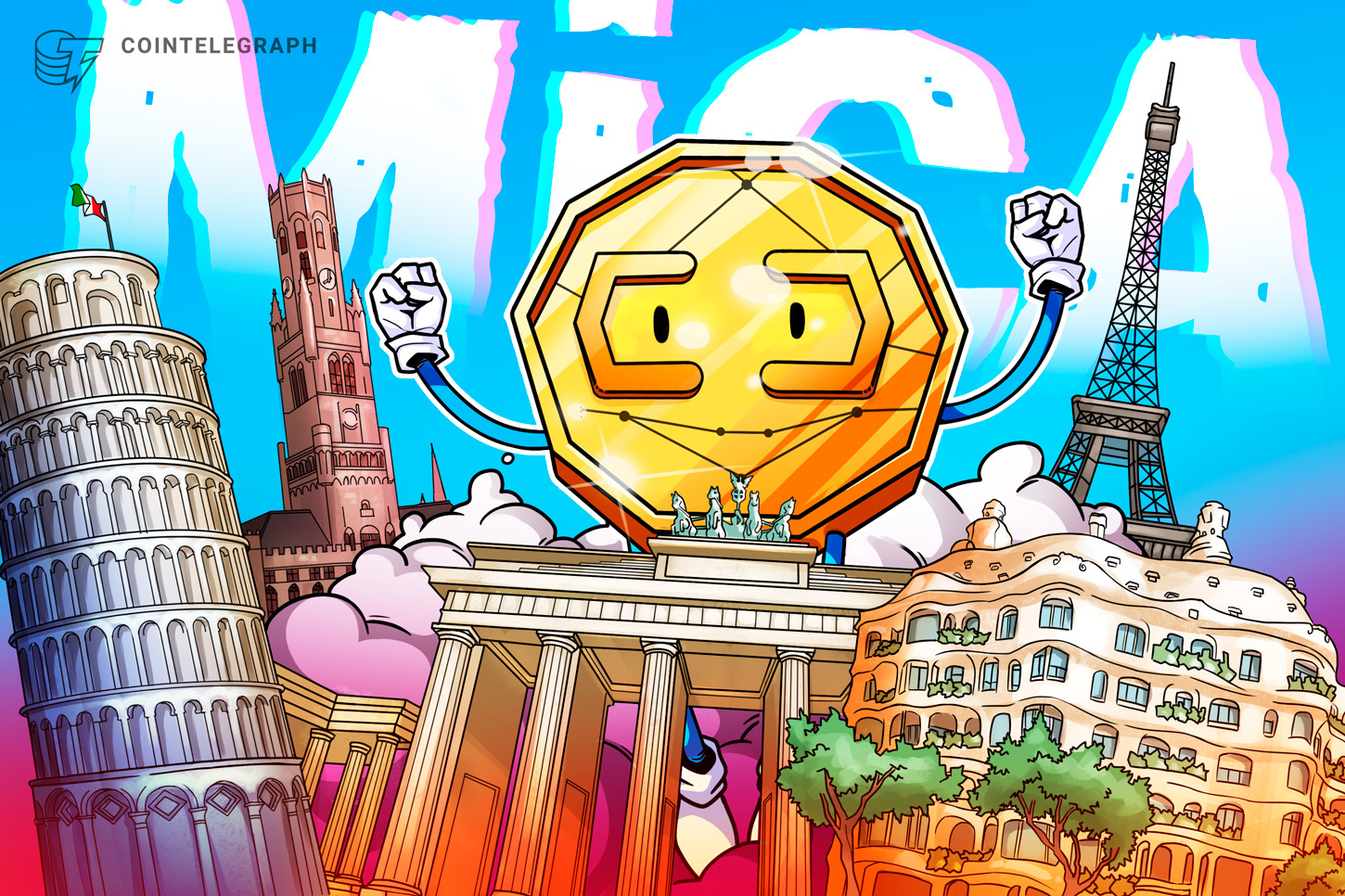
MiCA did something the European crypto sector had spent years failing to achieve on its own: it replaced a patchwork of national regimes with a single rulebook and passporting across the EU and European Economic Area. For CASPs, that changes the economics of licensing; for PSPs, banks and compliance teams, it also changes where the real regulatory friction sits.
- When MiCA came into force, a crypto asset service provider (CASP) authorized in one Member State gained the ability to passport services across the European Union and European Economic Area. That means one authorization can open access to roughly 450 million people, instead of forcing firms to build separate compliance stacks for 30 fragmented markets.
- The source text is clear on the trade-off: MiCA raised the barrier to entry by imposing a more demanding authorization and compliance framework, but in return it gave authorized CASPs access to the entire EU single market. For operators, the review question is not whether there should be friction at all; it is whether the obligations for market access are proportionate to the size of the market they unlock.
- The consultation on MiCA’s review closes on Sept. 30, so this is not an abstract policy exercise. The European Commission is effectively being asked to decide whether to keep the parts that work and trim the parts where compliance burden has grown faster than the risks it is supposed to address.
- The article’s core rule is blunt: regulate the risk, not the activity. Where a service involves client money, custody of assets, market integrity, or financial stability, robust rules are the point. But the review should also test whether every reporting requirement and documentation obligation still meaningfully reduces risk, or just adds cost and complexity because that is what regulations do when nobody checks them for a while.
For high-risk payment players, the important bit is not only that MiCA created a single market, but that it made Europe more legible. One authorization, one compliance architecture, one supervisory standard. That is exactly the sort of environment where serious providers tend to enter, while fragmented markets tend to attract everyone’s time and nobody’s certainty.
Related news
All news →Hong Kong Police Arrest 56 in Sheung Shui Crackdown on a Gambling Syndicate Linked to Triads
PXP Partners with OKTO Payments to Add Local Latin American Rails Across Brazil, Mexico, Colombia and More

Lula delays debate on sports betting in Brazilian football until after Sunday’s election
Weekly high-risk digest
Regulation, sanctions and payment news across your verticals — once a week, free.
Please check your inbox and click the link to confirm your subscription.
Please enter a valid email address!