Albania prepares to license up to 10 online sports betting operators after seven-year ban failed to kill demand
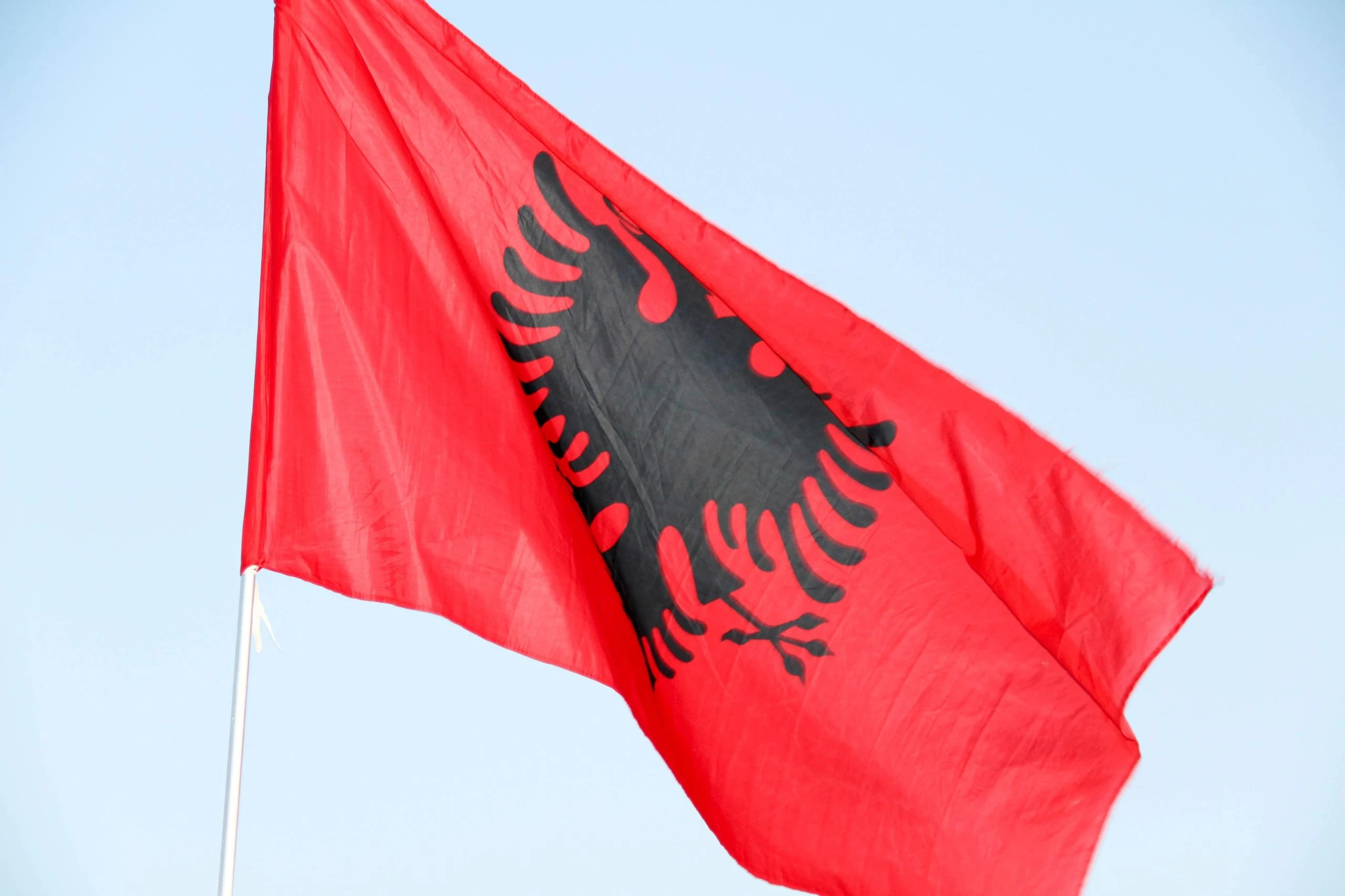
Albania is moving to reopen its sports betting market after seven years of prohibition, with the government preparing a framework that would allow up to 10 online operators to take wagers. For PSPs and acquiring banks, the point is simple: the market was never emptied, only pushed underground, and the question now is how much of that volume can be brought into licensed channels.
- In July, the Albanian government said it had completed the framework for a partial reopening of sports betting. Once the licensing process is finished, up to 10 online operators will be allowed to accept bets from customers in Albania.
- The ban has been in place for seven years. Since 2019, betting halls, slot halls, and all online gambling verticals have been prohibited, but unregulated sports betting GGR was still estimated at $126 million last year. That is the number operators and payment providers will be staring at when they ask whether channelisation is real or just a nice word in a ministry presentation.
- The reopening has been a slow process. Albania’s parliament passed legislation to reopen the market in 2024, but it has taken more than two years to work through the details of the new regime. Even now, the government has not said when the first licensing round will start or how many licences will actually be available within the stated cap of 10.
- Prime Minister Edi Rama had already acknowledged in 2022 that betting was still “flourishing” online despite the ban. He said the goal was to take the activity out of the black economy and bring the profits “into the light,” adding that “nobody can block it – not even China.”
- The original ban came after Albania’s sports betting market had grown to €700 million in annual turnover in 2018, with about 4,000 betting shops serving a population of just over 2.8 million. Hendri Hanaj, founder and partner at Hashtag Lawyers, said betting offices were everywhere, including near schools and in local neighbourhoods, and that small-scale betting was widespread.
For high-risk PSPs, Albania now looks less like a greenfield launch and more like a controlled re-entry into a market that already has customer demand, offline history, and a sizeable illegal layer. The open questions are the ones that matter operationally: who gets licensed, how fast the first round starts, and whether the licensed market can pull meaningful volume away from the underground side.
Related news
All news →

Weekly high-risk digest
Regulation, sanctions and payment news across your verticals — once a week, free.
Please check your inbox and click the link to confirm your subscription.
Please enter a valid email address!