Australian Senate committee backs 2026 online gambling reform package after coalition agreement
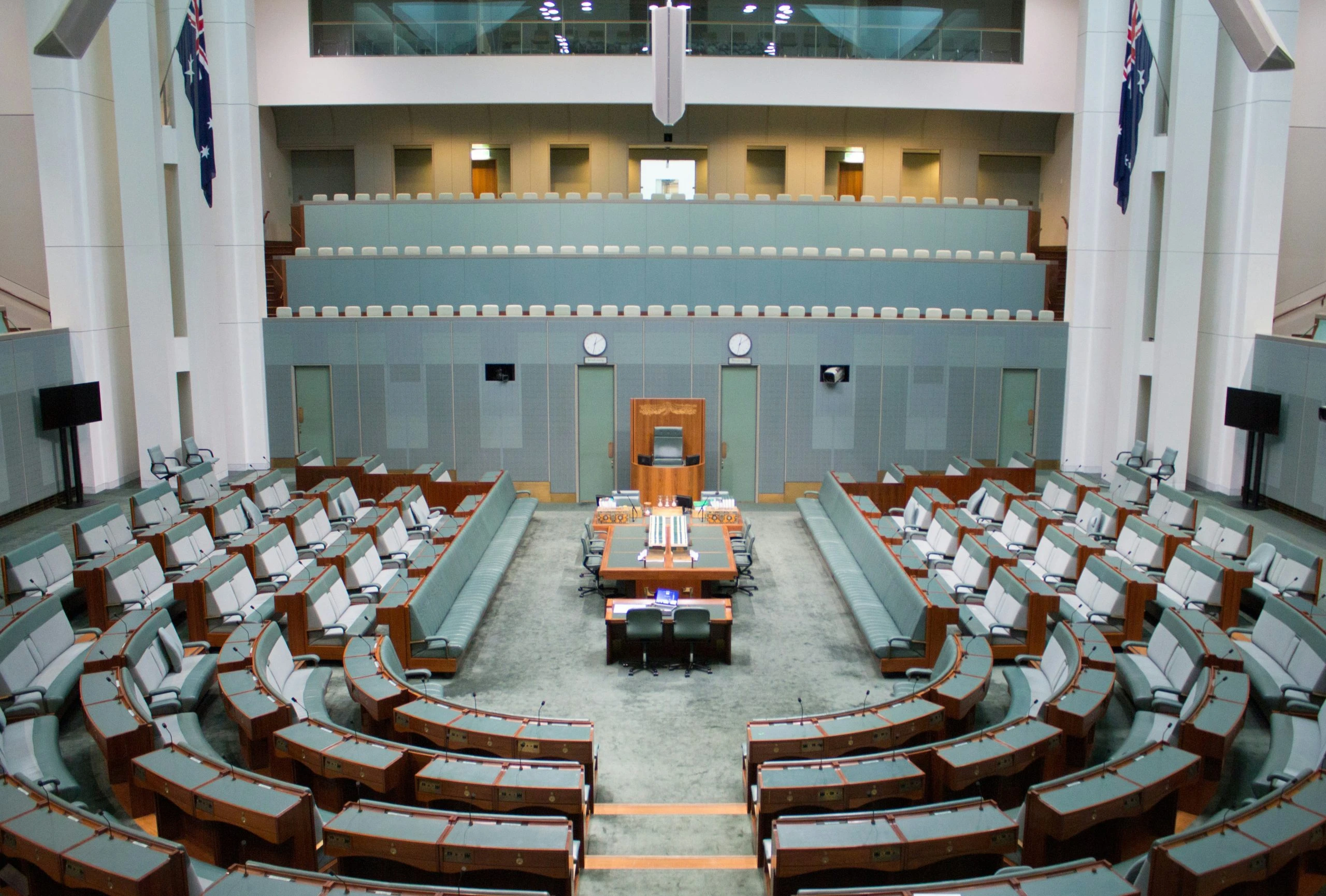
The Senate’s environment and communications legislation committee has endorsed the government’s proposed overhaul of Australia’s online gambling rules, including tighter ad controls, stronger platform obligations and expanded enforcement powers. For PSPs and operators, the key point is simple: this is not a blanket advertising ban, but it is a materially stricter operating environment.
- The committee recommended passage of two bills: the Interactive Gambling Amendment (Gambling Reform) Bill 2026, which amends the Interactive Gambling Act 2001, and the National Self-exclusion Register (Cost Recovery Levy) Amendment Bill 2026. In its report, the committee also said the bills should be amended to strengthen provisions aimed at reducing gambling-related harms.
- The reform package is built around two different levers. The first bill tightens controls on online gambling advertising, platform responsibilities and enforcement powers. The second is designed to fund a national BetStop awareness campaign through cost recovery from the wagering industry.
- The joint inquiry drew 97 submissions, including evidence from public health experts, gambling harm survivors, broadcasters, wagering industry representatives, regulators and state government officials. That is a useful reminder of how wide the policy net has been cast: this is not just about ad rules, but about how the whole online wagering funnel is supposed to be policed.
- The government’s package is meant to respond to the late MP Peta Murphy’s 2023 amendment effort and the Murphy report, which called for a blanket ban on gambling advertising and included 31 recommendations for reform. The 2026 bill stops short of that blanket ban, but it still moves the market toward tighter distribution controls.
- Among the concrete measures: advertising would be capped at three per hour between 6.00am and 8.30pm, banned during live sporting event coverage within specific times, and restricted in relation to wagering logos on venues and influencers. Wagering ads would also be banned during school commuting hours.
- Online content providers would have to take “reasonable steps” to make sure under-18s cannot access wagering advertising unless users have opted out. The bill would also introduce a “triple-lock” defence built around log-in, age assurance and opt-out mechanisms, which is the sort of compliance language that tends to become a practical headache before it becomes a legal one.
- On the enforcement side, the Australian Communications and Media Authority (ACMA) would get extended powers to block unlicensed offshore gambling sites. The package would also implement recommendations from a statutory review to increase penalties for breaches of self-exclusion rules and broaden enforcement powers for BetStop.
- The reforms also reach into product restrictions, including certain online “keno-type” and foreign-matched lottery products that fall outside traditional regulated frameworks. For payment providers, that matters because product classification can change the risk profile faster than the marketing deck does.
For high-risk PSPs, the practical message is that Australia is tightening the rules on acquisition, advertising and self-exclusion enforcement at the same time. That usually means more friction in traffic generation, more scrutiny on platform controls, and a higher bar for any operator or payments partner touching wagering, lotteries or related content.
Related news
All news →

Weekly high-risk digest
Regulation, sanctions and payment news across your verticals — once a week, free.
Please check your inbox and click the link to confirm your subscription.
Please enter a valid email address!