Connecticut Judge Says CFTC Cannot Override Court’s Reading of Federal Law in Kalshi Prediction Markets Case
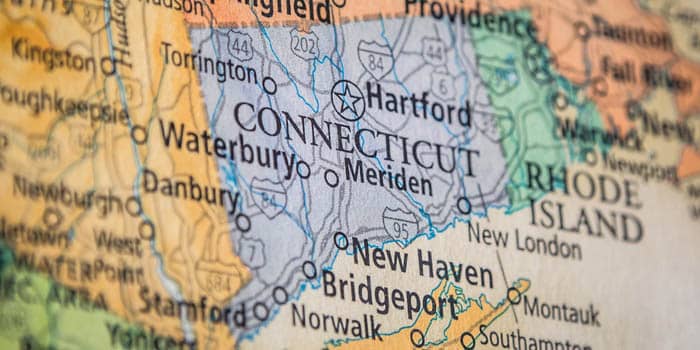
Kalshi has taken another hit in Connecticut, where U.S. District Judge Vernon D. Oliver said the CFTC cannot issue an order that conflicts with the court’s own reading of federal law. For high-risk operators, the practical point is simple: a federal regulator’s emergency move did not displace state gaming law in this case.
- Judge Oliver ruled that the Commodity Futures Trading Commission (CFTC) lacks the authority to override the court’s interpretation of federal law when resolving the conflict between Kalshi’s obligations and Connecticut’s gaming statutes. In other words, the CFTC’s view did not control the court’s analysis.
- The ruling came five days after Oliver denied Kalshi’s request for a preliminary injunction on August 10. In that earlier decision, he found that Kalshi’s sports-event contracts do not qualify as swaps under the Commodity Exchange Act and therefore do not fall under the CFTC’s exclusive jurisdiction, which meant Connecticut’s gambling laws could still apply.
- The CFTC’s intervention followed a separate case in state court: after New York Attorney General Letitia James sued Kalshi, the CFTC issued a “market emergency” order on August 11 directing Kalshi to keep operating as an exchange in line with its normal practices, even if a state court ruled against it. Kalshi used that order to argue that complying with state gaming laws would conflict with its federal obligations.
- Oliver rejected that argument as well, saying the CFTC order did not materially change his earlier analysis and did not show any intent by the CFTC to take regulatory action against Kalshi itself.
- The court also rejected Kalshi’s claim that shutting down its prediction markets under state gaming laws would create irreparable harm. Kalshi argued it faced criminal and civil liability, as well as reputational damage, but the judge treated those harms as speculative rather than concrete.
Sports-event contracts are the commercial center of gravity here. At the earlier February hearing, they made up between 80% and 90% of both Kalshi’s listed contracts and its overall revenue, with the company then valued at roughly $11 billion. Kalshi is also fighting on multiple fronts, with proceedings underway in New York, Washington, Nevada, and elsewhere. In Nevada, the Gaming Control Board wants the company fined $120,000 a day for failing to fully geofence the state and stop offering event contracts to Nevada residents.
Related news
All news →
DraftKings Petitions to Invalidate Interactive Games’ US Geolocation Patent After Cantor Fitzgerald Lawsuit

Brazil Tightens Online Betting Controls as BetConstruct’s Fábio Tiberia Puts Physical Gaming Back on the Table
VGW Raises Alabama Political Spending to $130,000 as Gambling Rules Loom
Weekly high-risk digest
Regulation, sanctions and payment news across your verticals — once a week, free.
Please check your inbox and click the link to confirm your subscription.
Please enter a valid email address!