Japan FSA asks crypto exchanges to impose withdrawal delays to fight scams
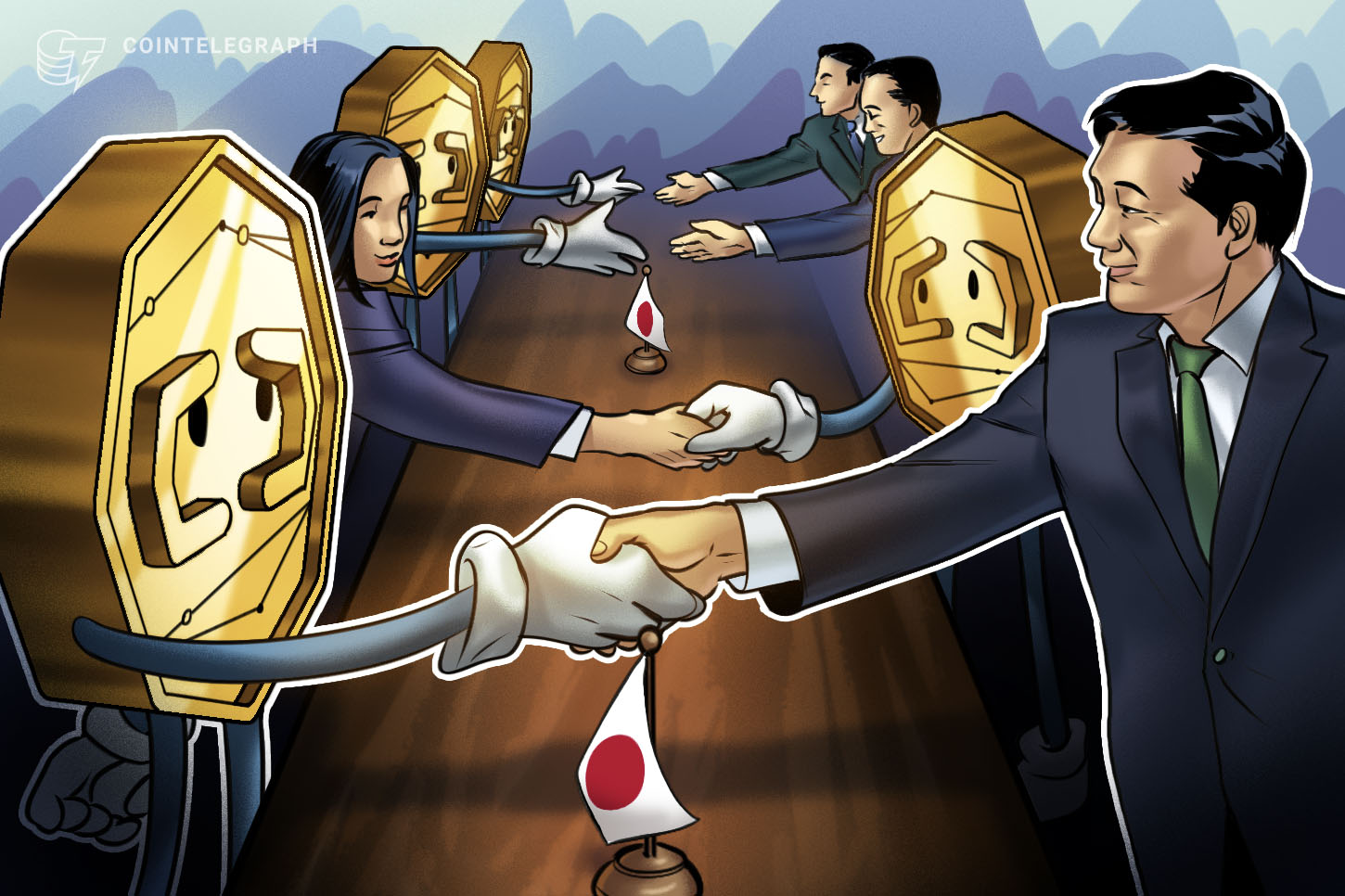
Japan’s Financial Services Agency has asked crypto exchanges to add withdrawal delays and other controls as fraud tied to digital assets keeps moving money into exchange accounts. For PSPs and exchange operators, the useful detail is that the request is operational, not just regulatory theatre: it focuses on the points where stolen or fraudulently sourced funds can be cashed out.
- On Thursday, the FSA said it had jointly requested the measures with the National Police Agency. The request comes amid growing losses among crypto exchange users and cases where funds obtained through fraudulent schemes are being transferred to exchange accounts.
- The main change is a delay on crypto withdrawals after a customer deposits fiat currency or buys digital assets. In other words, if the money in question just entered the platform, users would not be able to move the crypto out immediately.
- Exchanges were also asked to require pre-registration of withdrawal addresses and to impose a waiting period before newly added addresses can be used. That is a direct hit on one of the standard scam flows: deposit, add a fresh destination, withdraw fast, disappear.
- The request was submitted to the Japan Virtual and Crypto Assets Exchange Association, the country’s self-regulatory body for crypto exchanges. Other proposed safeguards include customer-specific withdrawal limits, stronger transaction and access-environment monitoring, phishing-resistant multifactor authentication, and checks to ensure that the name of a bank remitter matches the crypto account holder’s name.
- The measures are not binding rules. The FSA said exchanges should decide how to implement them based on their operations, services and exposure to misuse. That leaves room for different control sets across platforms, but the direction of travel is clear: tighter payout controls, more identity friction, and less tolerance for fast-moving funds.
For high-risk payment teams, the practical signal is that Japan wants more distance between inbound fiat and outbound crypto, plus more verification around who is sending money and where it is going. That matters not only for exchanges, but also for PSPs and banking partners that sit upstream of those withdrawal flows.
Related news
All news →/https://i.s3.glbimg.com/v1/AUTH_da025474c0c44edd99332dddb09cabe8/internal_photos/bs/2026/a/4/JZgMamSDu4CIUNPUsAQg/116359810-ec-rio-de-janeiro-rj-25-09-2026-fim-das-bets-no-brasil-local-gavea.-footo-marcelo.jpg)
:strip_exif()/i.s3.glbimg.com/v1/AUTH_da025474c0c44edd99332dddb09cabe8/internal_photos/bs/2026/B/5/oVATTjQpWcrAszB1Lm8w/116363444-sao-paulo-25-09-2026-bets-proibicao-o-presidente-luiz-inacio-lula-da-silva-pt-a.jpg)

Weekly high-risk digest
Regulation, sanctions and payment news across your verticals — once a week, free.
Please check your inbox and click the link to confirm your subscription.
Please enter a valid email address!