Treasury’s Stablecoin Rule Draws Questions Over Foreign Access and Who Counts as the Issuer
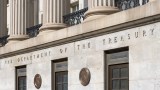
Treasury’s proposed stablecoin rule is forcing a fairly unglamorous but commercially important question: when does a stablecoin actually get “issued” in the United States, and how can a foreign-issued coin legally reach a U.S. customer? For banks, PSPs and other intermediaries, the answer will decide where the compliance perimeter starts and who gets pulled into it.
- Treasury’s proposed rule, published on Aug. 18, would implement statutory restrictions on issuing payment stablecoins in the United States and on digital asset service providers offering or selling them to people in the U.S. The GENIUS Act also gives Section 3 extraterritorial effect when conduct involves an offer or sale to a person located in the United States.
- The rule is designed to cover several moving parts at once: when an issuance occurs, where the issuer and recipient are located, foreign-issued stablecoins, digital asset service providers, and knowing participation in an unlawful issuance. That combination matters because the practical question is not just “who minted the coin,” but who helped place it in front of U.S. users.
- The comment period closed on Monday, Oct. 19, and the letters Treasury received show banks pushing for stronger guardrails around foreign or unlicensed issuers reaching U.S. customers through intermediaries. In other words, the concern is not only direct distribution but also indirect access through service providers and affiliates.
- ANB Bank told Treasury to look at the functions behind a stablecoin when deciding who qualifies as its issuer. In its letter, the bank said entities should be treated as issuers when they exercise “meaningful control” over creation, redemption, reserve management, governance or the economic benefits associated with the stablecoin.
- ANB also warned about affiliated companies splitting issuance, reserve management, technology, marketing and redemption across multiple entities. The bank urged Treasury to presume an organization falls within the licensing framework if it directs or controls the stablecoin program, benefits economically from it or otherwise sits behind the parts that make the program work.
The practical issue here is familiar to anyone in payments: the legal label on the front end often matters less than the structure behind it. Treasury is now being asked to decide whether stablecoin activity should be judged by formal issuer status or by the people and entities that actually control the program.
Related news
All news →

Weekly high-risk digest
Regulation, sanctions and payment news across your verticals — once a week, free.
Please check your inbox and click the link to confirm your subscription.
Please enter a valid email address!