CFTC Sues Louisiana Over Prediction Market Rules as States Step Up Enforcement
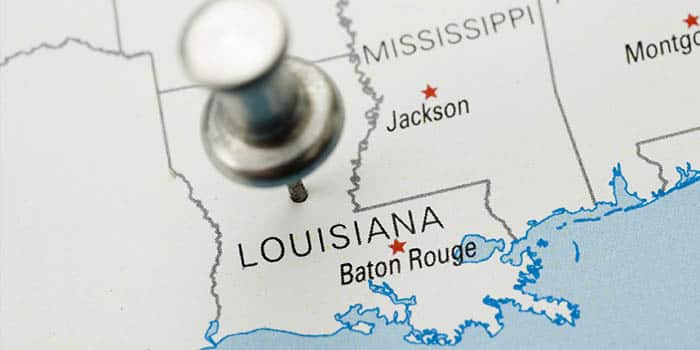
The Commodity Futures Trading Commission has sued Louisiana to block the state from banning event contracts offered by federally regulated prediction market operators such as Kalshi. For PSPs, exchanges, and platforms in high-risk verticals, the fight is not just about sports contracts; it is about who gets to police the product: the CFTC or state gambling regulators.
- The CFTC says event contracts traded on its registered exchanges, futures commission merchants, and clearing organizations fall under its sole jurisdiction. Louisiana says federal registration does not give operators permission to offer sports-related contracts without complying with state gambling law.
- On November 12, Louisiana Attorney General Liz Murrill said the state had filed a lawsuit against 10 companies and their subsidiaries: Kalshi, Polymarket, Robinhood, Coinbase, Crypto.com, Gemini, ForecastEx, Novig, Underdog, and ProphetX. A temporary restraining order also shut down the operations of companies associated with derivative products without notice or an opportunity for the defendants to respond.
- The CFTC complaint cites a December 2025 advisory from the Louisiana Gaming Control Board, which classifies sports-related event contracts as illegal gambling. It also cites Act No. 182, which took effect on August 1, 2026, expanded the definition of gambling by computer, and increased state officials’ enforcement powers.
- CFTC chairman Michael S. Selig called Louisiana’s move an effort to shut down the prediction market industry, saying event contracts had been available in Louisiana for years in compliance with federal law. The agency has also taken other states to court and filed supporting briefs for operators, while industry stakeholders argue that fragmented state enforcement creates unnecessary operational risk.
- The court picture is already split. The Third US Circuit Court of Appeals supported Kalshi against New Jersey, while the Sixth Circuit sided with Ohio and Tennessee in similar disputes. Several states have now petitioned the Supreme Court to address the conflict.
For high-risk operators, the practical issue is straightforward: if a product is treated as a federally regulated event contract in one jurisdiction and as gambling in another, distribution, onboarding, and payments all become jurisdiction-specific problems. That is usually where the compliance bill starts to grow.
Related news
All news →
Wyoming draft bill would make sweepstakes casinos a felony and pull PSPs into the net

Americans back gambling-style rules for sports prediction markets, AGA survey finds

Brazil’s online gambling ban puts 85 licensed operators in limbo as 94 betting-rule proposals move through Congress
Weekly high-risk digest
Regulation, sanctions and payment news across your verticals — once a week, free.
Please check your inbox and click the link to confirm your subscription.
Please enter a valid email address!