Bet3000 went offline in Germany for 21 months. Licensed rivals and unregulated sites picked up the traffic
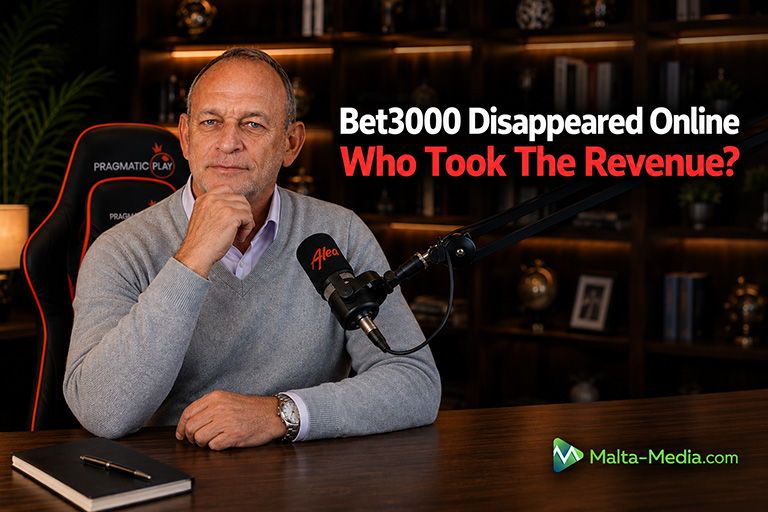
When the GGL revoked the permission held by IBA Entertainment Limited on 24 July 2024, Bet3000 did not just disappear from the whitelist; it disappeared from the online market while customer demand kept moving. For high-risk operators, the point is simple: when a brand goes offline in a regulated market, the money does not sit still.
- On 24 July 2024, the GGL revoked the permission held by IBA Entertainment Limited. Within days, Bet3000 was off the whitelist, its website was unavailable, and the app had disappeared from the stores. This was not a managed exit with customer balances migrated and franchise partners given time to adjust; it was a removal from the online shelf.
- The public record does not show every displaced euro, but it does show the market did not pause. The GGL’s own market monitor records more than €6.08 billion in online sports-betting stakes during 2025, and another €3.52 billion was wagered online during the first half of 2026. Bet3000 was absent for most of that stretch, while bettors kept opening apps and looking for somewhere else to place a wager.
- The current whitelist lists bet3000.de again, with 22 April 2026 shown as the first permit date for the renewed online offer. That puts the brand out of the online market for roughly twenty-one months after the 2024 revocation. In payments and acquisition terms, that is long enough for customers to change habits, affiliates to redirect traffic, and competitors to lock in new value.
- The first obvious winners were the licensed operators already live when Bet3000 vanished. The article names Tipico, bet365, bwin, Tipwin, Merkur and sportwetten.de as alternatives for customers who still wanted a German-regulated sportsbook. The public data does not say which brand received which former Bet3000 account, but the commercial logic is plain: when one legal operator disappears, the others get more chances to acquire the same player.
- Not all displaced traffic stays in the licensed lane. The GGL-commissioned channelisation study puts the unregulated share of German online gambling at 22.97 percent. That figure is for the wider market, not Bet3000 customers specifically, but it shows that a revoked brand does not automatically funnel everyone into another regulated site. Some players follow affiliates, search results or social media into offshore offers with fewer restrictions.
For PSPs, acquirers and banks, the useful takeaway is not just that revocation hurts a brand; it changes where demand lands. A shutdown in a regulated market can create a temporary acquisition event for licensed competitors, while also pushing a slice of traffic toward unregulated operators that sit outside normal controls.
Related news
All news →
Weekly high-risk digest
Regulation, sanctions and payment news across your verticals — once a week, free.
Please check your inbox and click the link to confirm your subscription.
Please enter a valid email address!