Paula Lavigne Avoided Sleeping Above a Las Vegas Casino, but the House Still Won
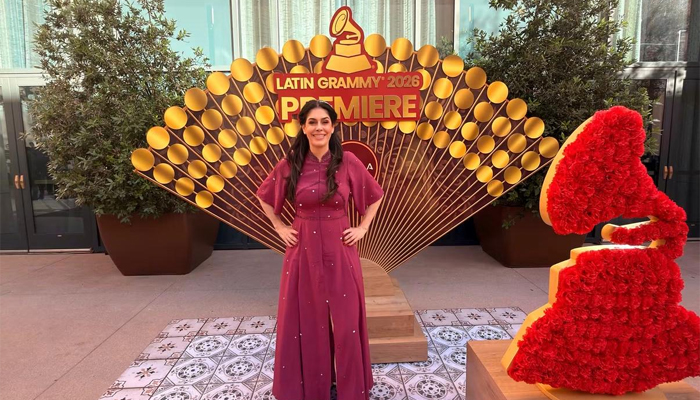
Paula Lavigne, the entrepreneur behind Caetano Veloso and owner of Uns Produções, rented a resort in Las Vegas for the 2026 Latin Grammy because she did not want to stay in a hotel with a casino underneath. The irony for high-risk payments people is obvious: she was trying to avoid gambling infrastructure in the city most built around it, and still spent the night at an MGM property tied to BetMGM.
- Lavigne said on Instagram that she refused to stay in “those horrible hotels, with a casino underneath.” Her exact line was: “We rented a resort. I didn’t want to stay in those horrible hotels, with a casino downstairs. I have a horror of gambling, bets, horror. So we rented this house.”The point here is less the anecdote than the geography: in Las Vegas, you can move the bed away from the roulette wheel, but you do not really exit the ecosystem.
- The ceremony on Thursday (12/11) took place at MGM Grand Garden Arena, inside one of the city’s largest hotel-and-casino complexes. The MGM group owns the BetMGM brand, which in Brazil has Globo as a partner.So while Lavigne did not sleep on top of a casino, she spent the most important night of the trip inside one.
- It was not a good night for Uns Produções. None of its nominees won: Zeca Veloso lost Best New Artist to Aria Vega and also lost Best Engineered Album for “Boas Novas” to Rosalía’s “Lux.” Loulu Gilberto also lost Best New Artist, and “O Amor Nos Encontrou,” which was nominated for Record of the Year, did not win. Cézar Mendes, who produced Loulu’s recording with Mario Adnet, also left without a trophy. Mosquito, nominated for Best Samba/Pagode Album with “Quinhão,” also went home empty-handed.In other words: the house won, even if nobody there was placing bets.
- The broader irony is that Lavigne is one of the most active names in the campaign that led to MP 1.394/2026. On November 3, she accompanied first lady Janja to the STF public hearing on the measure.For PSPs, acquirers, and banks that care about policy direction in Brazil, this matters because the same public debate that targets betting also intersects with sponsorship money for clubs, sports events, and cultural programming.
- The text frames the ban as having pushed millions of people to illegal sites and cut sponsorships for clubs, sports events, and cultural events. It also argues that the money now described as “evil” helped pay for music, football, and entertainment in Brazil for years.That is the commercial issue underneath the moral language: when a country shuts down regulated betting flows, the spending does not disappear; it migrates.
Las Vegas, after all, is still the cleanest reminder of how the sector works when it is regulated: casinos, sports betting, and entertainment coexist under clear rules and supervision. That is the part Brazil’s high-risk payment ecosystem keeps rediscovering the hard way.
Related news
All news →


Weekly high-risk digest
Regulation, sanctions and payment news across your verticals — once a week, free.
Please check your inbox and click the link to confirm your subscription.
Please enter a valid email address!