Brazil’s Treasury Put the End of Bets Into Its Macrofiscal Bulletin, But Gave No Numbers
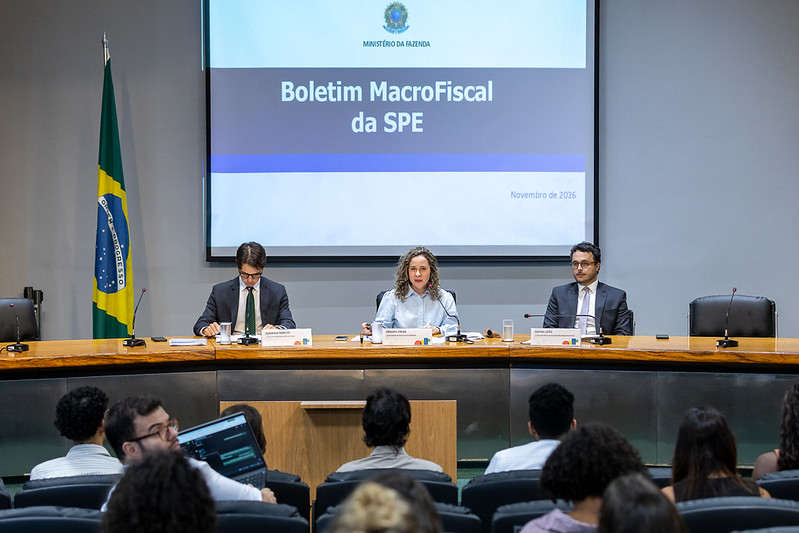
The Ministry of Finance’s Economic Policy Secretariat (SPE) now says the ban on betting platforms can provide “some support” to consumption at the end of the year. The catch is simple: the official bulletin gives no estimate for the size of that support, which matters for anyone trying to judge how Brazil is treating bets in the consumer-spending equation.
- The claim appears in the Boletim Macrofiscal released on Monday (23) by the SPE of the Ministry of Finance. The bulletin lists the ban on betting platforms, imposed by Provisional Measure No. 1.394/2026, among the factors supporting consumption at the end of the year, alongside a resilient labor market and the 15.04% adjustment in Bolsa Família.
- There is no number attached to the betting ban. The bulletin says it would give “some support to consumption at the end of the year,” but does not quantify the effect. Because the only figure tied to the cited factors is the 15.04% Bolsa Família increase, the document does not allow the effect of each driver to be separated.
- The Finance Ministry’s release after the press conference uses the same framing: a “moderate recovery” at the end of the year, supported by the labor market, the increase in Bolsa Família, and the “positive impacts of the betting ban, which may generate additional dynamism.” Again, there are no numbers, and the verb is conditional: “may.”
- At the presentation, SPE secretary Débora Freire went further than the text. She said the ban removes resources from a sector “that has very little linkages” and sends them to productive sectors, with a “higher multiplier effect.” She also included the measure among the factors that keep Brazil out of a recession in 2027.
- Subsecretary of Macroeconomic Policy Rafael Leão said the SPE “does not make and does not usually disclose” isolated estimates for the impact of policy measures, but acknowledged that the calculations exist. According to him, the team ran simulations of higher disposable income “given the size of the bets market,” but the effect was not inserted separately into the model; it was folded “qualitatively” into the 2027 projection. He also pointed to high-frequency retail indicators that “suggest this improvement,” without naming them, and cited declines in August and September in IBGE surveys of industry, commerce, and services, while mentioning furniture, clothing, and building materials as retail segments in retreat.
Timing matters here. The parameter grid closed before the October IPCA, using the Focus exchange rate from October 30, and the projection was built with less than a month of effective betting prohibition, since platforms only went offline after October 5. In other words, the model had a policy shock in it before the shock had fully arrived.
Related news
All news →


Weekly high-risk digest
Regulation, sanctions and payment news across your verticals — once a week, free.
Please check your inbox and click the link to confirm your subscription.
Please enter a valid email address!