Home
/
news
/
Lithuania plans mandatory player cards, cashless gambling and €20,000 affordability checks
news
Lithuania plans mandatory player cards, cashless gambling and €20,000 affordability checks
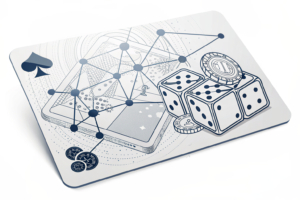
Lithuania is moving toward a cross-operator monitoring system that would require player cards for all online and land-based gambling customers. For PSPs and operators, the practical effect is straightforward: more traceability, less cash, and a much tighter grip on high-limit play.
- Under the reforms, every gambling customer in Lithuania would need to use either a physical or digital player card. The card would track stakes, winnings, spending limits, time limits and other gambling restrictions across multiple operators, which is the whole point here: one customer, one profile, less room for activity to disappear between brands.
- The government says the system is meant to give regulators a fuller picture of gambling behaviour, especially when customers use more than one operator. Virginijus Daukšys, head of Lithuania’s Gambling Supervisory Authority, said the measures are intended to reduce gambling accessibility and limit its impact on mental health.
- The reforms would also eliminate cash in land-based gambling venues, with all transactions processed through official payment systems. The Ministry of Finance said that would increase transparency and help combat money laundering, which is the part that matters most for acquirers and PSPs: more payments through monitored rails, less anonymous turnover.
- Affordability checks would apply to higher-spending customers. If a player sets a monthly loss limit above €20,000, operators would have to assess their financial situation and collect evidence such as salary statements, tax returns, bank statements or records of investment income. Customers who cannot or will not provide the documents would not be allowed to gamble.
- Lithuania also plans to expand enforcement powers so regulators can block websites that promote unlicensed gambling, in addition to blocking illegal gambling sites. A separate proposal would introduce progressive gambling taxes of up to 36 per cent on operator gross gaming revenue, adding another variable for operators deciding how much exposure they want in the market.
Related news
All news →
news
Wyoming draft bill would make sweepstakes casinos a felony and pull PSPs into the net
news
Americans back gambling-style rules for sports prediction markets, AGA survey finds

news
Brazil’s online gambling ban puts 85 licensed operators in limbo as 94 betting-rule proposals move through Congress
Weekly high-risk digest
Regulation, sanctions and payment news across your verticals — once a week, free.
Please check your inbox and click the link to confirm your subscription.
Please enter a valid email address!