Revolut Removes USDT From Supported Assets, With Delisting Set for August 31
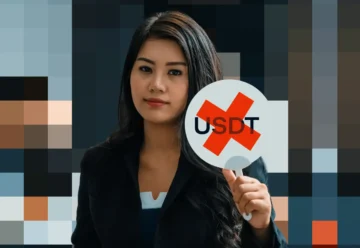
Revolut has started phasing out support for USDT, with purchases blocked from July 6, deposits stopped from July 30, and full delisting scheduled for August 31. For high-risk merchants and PSPs, the important bit is simple: one more major distribution channel for USDT is closing, and the reason given is the usual mix of regulatory requirements and risk considerations.
- Revolut told customers it will remove USDT from its list of supported digital assets after a regular review of available assets. The company said the decision reflects “regulatory requirements and risk considerations,” but did not name any specific rule or jurisdiction.
- The phaseout has a clear timetable. Starting July 6, users will not be able to buy USDT in the app. Starting July 30, Revolut will stop accepting USDT deposits and will reject incoming transfers in the stablecoin. After August 31, any remaining USDT balances will be automatically converted into each user’s primary fiat currency at the prevailing market rate.
- Until the asset is fully delisted, users can still sell their USDT holdings or withdraw them to an external crypto wallet. So this is not an instant cut-off; it is a controlled wind-down, which is how these things usually get done when a platform wants to avoid operational mess.
- Revolut said the move coincides with the end of the transition period for compliance with the European Union’s Markets in Crypto-Assets (MiCA) regulation. Tether, the issuer of USDT, has not obtained authorization as a regulated stablecoin issuer under the EU framework and does not plan to apply for one.
- In October 2025, Revolut obtained a Crypto Asset Service Provider (CASP) license through its European subsidiary, Revolut Digital Assets Europe Ltd (RDAEL), from the Cyprus Securities and Exchange Commission (CySEC). That authorization lets the company offer regulated crypto services across the European Economic Area under MiCA, while its broader customer base still sits at more than 60 million users worldwide.
For PSPs and acquirers serving crypto-heavy merchants, this is another reminder that stablecoin access is no longer just a product decision. Once MiCA and local licensing rules enter the picture, distribution can change fast, and the market tends to reprice that risk before the regulator finishes the sentence.
Related news
All news →

Weekly high-risk digest
Regulation, sanctions and payment news across your verticals — once a week, free.
Please check your inbox and click the link to confirm your subscription.
Please enter a valid email address!