Gnosis Pay breach exposed card details, home addresses and crypto wallet information
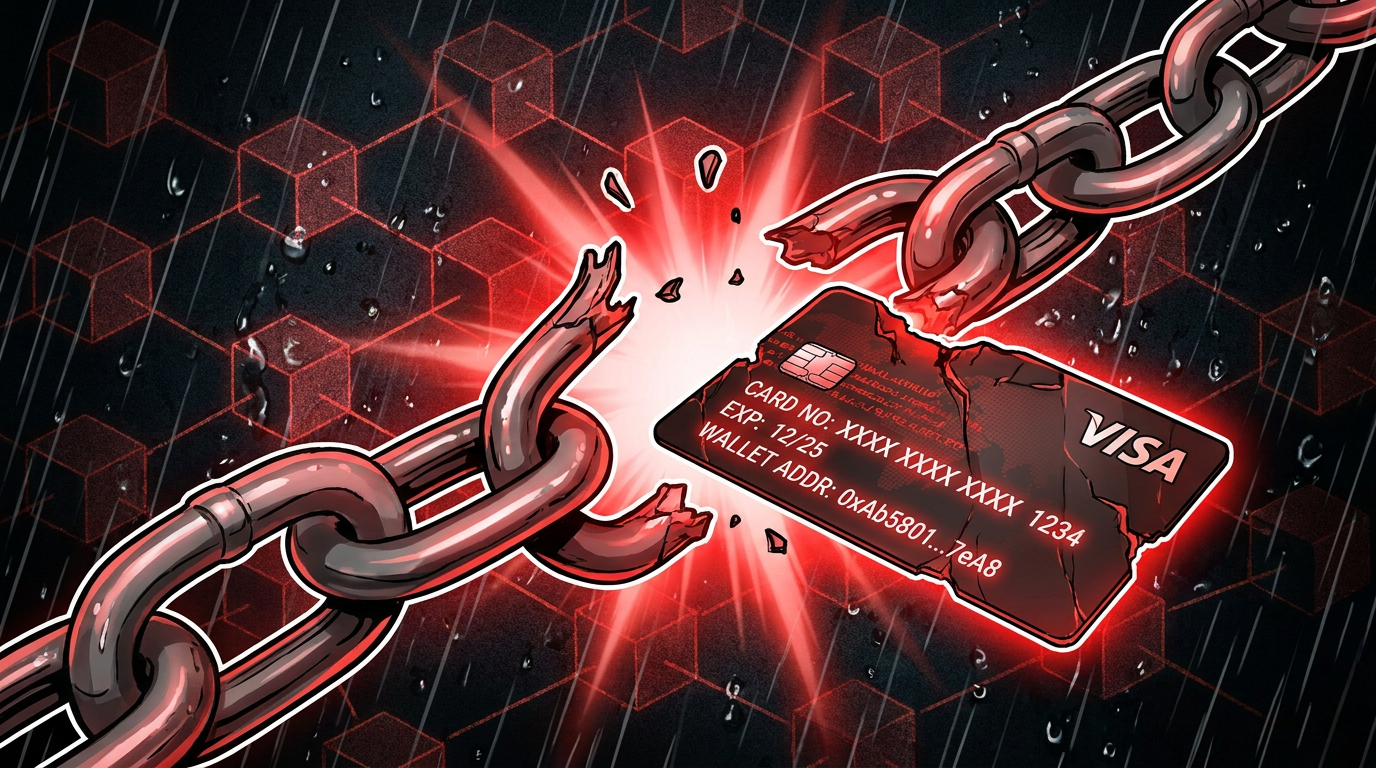
Gnosis Pay says it detected unauthorized access to its legacy consumer card system on Nov. 3 and contained it within two hours. For high-risk payment operators, the key detail is not just that card data was exposed, but that a crypto-linked Visa debit program sat in the blast radius while the company says its enterprise white-label platform remained unaffected.
- According to breach notifications reviewed by Cointelegraph, the exposed data included full payment card numbers, expiration dates, CVV codes, customer names, home addresses and wallet addresses linked to affected accounts. The compromised dataset also included email addresses, phone numbers, nationalities and, in some cases, banking details such as IBAN and BIC information.
- Gnosis Pay said customer funds were not affected, and one notification confirmed that the customer’s card was canceled on Nov. 3, with no suspicious transactions or movement of funds detected. That matters because the incident appears to be an information-security breach rather than a direct funds-loss event, at least based on the company’s disclosure.
- The company said it replaced compromised security credentials, addressed the vulnerability and made 3D Secure verification mandatory for online payments until the legacy system’s planned retirement on Dec. 20. It also warned customers about phishing attempts using personal or transaction details and said it was arranging monitoring for potential misuse of the stolen data.
- According to data from OpenRate, a third-party platform tracking crypto card activity, Gnosis Pay had around 2,400 daily active cardholders and processed $263,200 in transactions over the previous 24 hours. Gnosis Pay did not disclose how many customers were affected and did not immediately respond to Cointelegraph’s request for comment.
The structure here is familiar enough: legacy system, unauthorized access, card reissue, mandatory 3D Secure, and a retirement date for the affected stack. The part PSPs and high-risk merchants will watch is the data mix. Once a breach touches PANs, CVVs, addresses and wallet identifiers in the same incident, fraud teams have to assume phishing, card-testing and account-takeover attempts will follow.
Related news
All news →


Weekly high-risk digest
Regulation, sanctions and payment news across your verticals — once a week, free.
Please check your inbox and click the link to confirm your subscription.
Please enter a valid email address!