Binance resumes withdrawals after $6.3 billion theft, says it will cover the loss
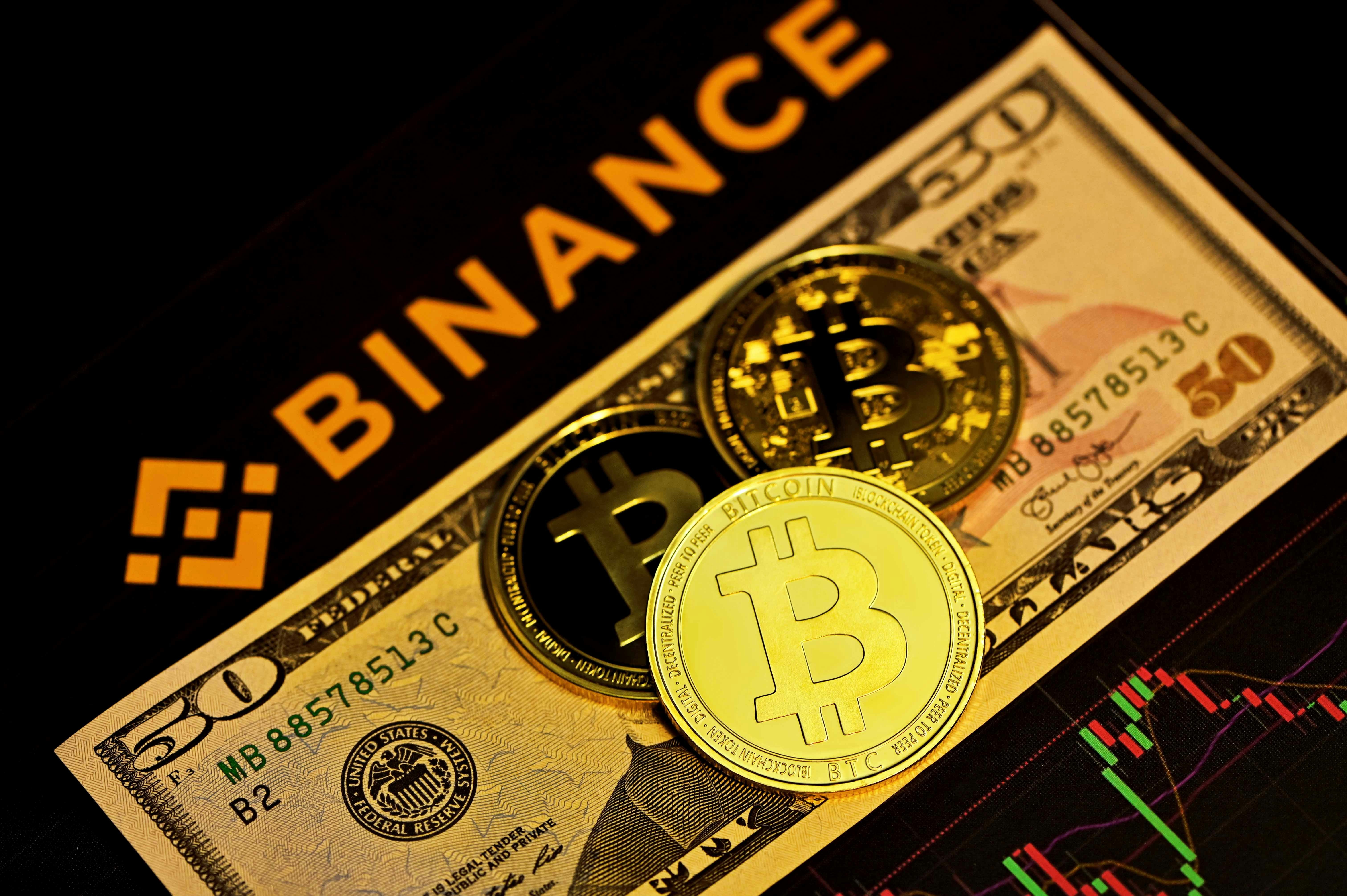
The world’s largest crypto exchange has restarted withdrawals after a theft that the FBI has attributed to North Korea and that analysts say could be the biggest financial robbery in history. For PSPs and acquirers touching crypto flow, the details matter: this is not just an exchange incident, it is a reminder of how quickly stolen assets move through DeFi (decentralized finance) and instant swap services.
- Binance said the first phase of the recovery covered 15 cryptoassets, including bitcoin, ether, XRP and dogecoin. Bitcoin withdrawals were restored shortly after 3 a.m. (Brasilia time), and withdrawals of ether, BNB, USDT and USDC were also resumed.
- The theft was reported at about $6.3 billion, and analysts said most of it happened in about 20 minutes starting Thursday night. U.S. blockchain firms TRM Labs and Chainalysis said the attack had similarities to major previous hacks attributed to North Korea.
- The FBI said U.S. authorities observed members of the group converting the stolen assets mainly into ether. The agency also said it expects further laundering through DeFi platforms and instant crypto exchange services.
- Binance said it would absorb the loss and set aside about $6.34 billion in its own resources to cover it. Those funds came from several internal reserves, including the Secure Asset Fund for Users (SAFU), a fund of about $1 billion that the company maintains for customer protection in security incidents, as well as part of its futures insurance fund and company cash.
- Yi He, Binance’s co-CEO, said on Saturday that half of the SAFU funds would be used to cover the losses, and that Binance would later replenish the fund to about $1 billion. Richard Teng, the other co-CEO, described the breach as a "complex attack" involving a compromised laptop and malicious software designed to erase traces of activity and complicate the investigation.
The attack comes after a year in which criminals stole the equivalent of $2.9 billion in almost 150 attacks, according to TRM Labs. For payment providers, the practical issue is not just theft itself, but the afterlife of stolen funds: conversion, chaining through multiple venues, and the pressure that puts on monitoring, compliance, and treasury controls.
Related news
All news →
Brazil’s betting ban is a warning for LatAm, SOFTSWISS webinar panel says

Conor McGregor and 1xBet tease a new project as production starts at the bookmaker’s filming location

Brazil’s Justice Ministry says it has moved to take down nearly 80,000 betting-related sites and profiles after the MP ban
Weekly high-risk digest
Regulation, sanctions and payment news across your verticals — once a week, free.
Please check your inbox and click the link to confirm your subscription.
Please enter a valid email address!