NRW changes online casino rules for shared live studios, with Parliament barely testing the model
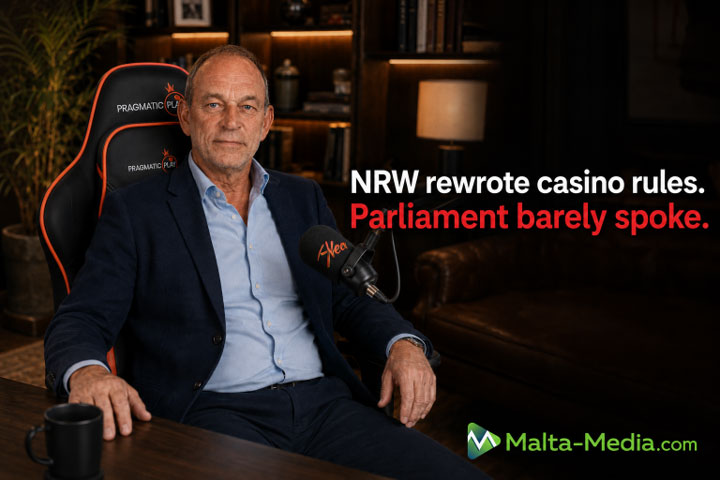
North Rhine-Westphalia has rewritten part of its regulated online casino framework to let licensed concessionaires use shared live-casino studios run by specialist service providers. The concessionaire still keeps formal responsibility for player protection, identity checks, payments and customer data, which is exactly the kind of split that matters to PSPs and operators.
- Under the new rules, a concessionaire may use a shared live-casino studio operated by a third-party specialist instead of running every table room itself. On paper, the state says this should reduce bureaucracy and make live casino economically feasible; in practice, it creates a new commercial actor inside the supply chain and gives that provider practical control over part of the product.
- The government’s original bill of 15 April 2026 said several concessionaires should be able to use rooms supplied by the same service provider, with the Netherlands cited as a comparable approach. The commercial logic is straightforward: fewer separate locations, lower operating costs, and a single environment for tables, dealers, streaming technology, security and compliance processes.
- The part that should matter to regulated operators and their payment partners is the allocation of responsibility. Even where the studio is shared, the concessionaire remains responsible for player protection, identity checks, payments and customer data. That leaves the licensed operator carrying the regulatory burden while another company handles a meaningful slice of day-to-day delivery.
- Legislatively, the scrutiny was thin. According to the official committee report, the Interior Committee held no formal hearing on the bill and recorded no contributions when it considered the agenda item. At the final vote on 15 July 2026, the speeches were submitted for the record rather than delivered in live debate, as the plenary transcript confirms.
- The government did run a written association consultation, and that produced two amendments. But written submissions behind the scenes are not the same thing as public parliamentary stress-testing, especially when the reform raises questions about addiction risk, data access, historical links to illegal gambling and the line between legal responsibility and operational control.
The public documents do not quantify the expected savings, say how many concessionaires asked for the change, or show that the shared-studio model will materially improve channelisation. So NRW now has a more workable commercial structure for live online casino games, but the legal and operational implications for the licensed operator remain exactly where the bill put them: with the concessionaire.
Related news
All news →
Weekly high-risk digest
Regulation, sanctions and payment news across your verticals — once a week, free.
Please check your inbox and click the link to confirm your subscription.
Please enter a valid email address!