Missouri settles $13.5M gambling machine case with Torch Electronics, keeps nonprofit exception

Missouri Attorney General Catherine Hanaway has reached a $13.5 million settlement with Torch Electronics that ends state prosecution risk over the company’s gambling machines, provided Torch removes the devices from for-profit locations. For high-risk operators, the important part is not just the dollar figure: the deal also shows where Missouri is drawing the line between commercial venues and nonprofit exceptions.
- Announced on November 16, the agreement requires Torch to pay Missouri $13.5 million over three years: $4.5 million this week, followed by two more annual payments of $4.5 million each. If Torch violates the settlement terms, it faces another $6.5 million in penalties. The money will go to Missouri’s Gaming Proceeds for Education Fund, which sends grants to eligible school districts through the Classroom Trust Fund.
- In return, Torch must keep its machines out of service in convenience stores, bars and other commercial establishments. The settlement also protects Torch, its owner Steven Miltenberger, employees, vendors and others associated with the company from state prosecution, as long as they comply with the deal.
- The carve-out is for bona fide nonprofit groups. Veteran organizations, fraternal associations and similar establishments can continue to host the machines, and Torch may add new qualifying nonprofit locations until January 1, 2027. Hanaway said her office targeted commercial operators because their gambling generated private profits, while nonprofits were using proceeds for community initiatives and member support.
- Hanaway also said companies cannot sidestep the rules by creating nonprofit subsidiaries or changing their corporate form. Torch did not admit to violating Missouri gambling laws or accept liability, and the settlement resolves pending civil and criminal investigations that followed cooperation between state and federal authorities.
- The $13.5 million figure is below what the state originally sought based on 21% of Torch’s gambling revenues. Hanaway declined to say how much the company originally owed, saying it remained difficult to estimate past earnings. The deal also fits into a broader enforcement push against illegal gambling machines in Missouri, where Hanaway previously estimated about 25,000 such devices were operating before the crackdown.
One practical point for PSPs and acquiring teams: Missouri is not treating every location the same. Commercial retail placement is out, nonprofit placement can remain, and the settlement specifically tries to stop workarounds through entity structuring. That is the sort of rule set operators need to read twice before signing up the next distribution channel.
Related news
All news →
Brazil’s betting ban is a warning for LatAm, SOFTSWISS webinar panel says

Conor McGregor and 1xBet tease a new project as production starts at the bookmaker’s filming location
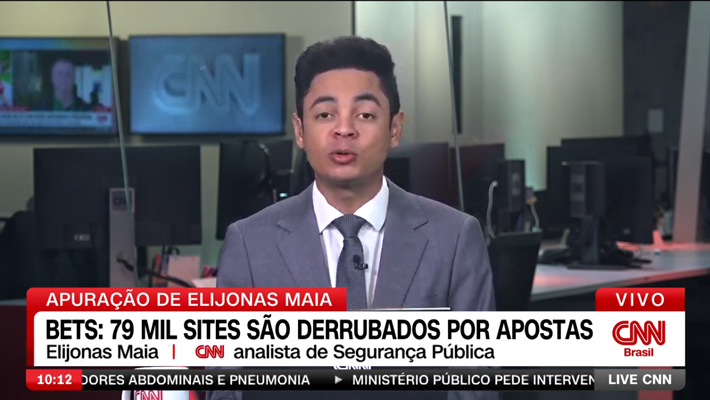
Brazil’s Justice Ministry says it has moved to take down nearly 80,000 betting-related sites and profiles after the MP ban
Weekly high-risk digest
Regulation, sanctions and payment news across your verticals — once a week, free.
Please check your inbox and click the link to confirm your subscription.
Please enter a valid email address!