Bolivia weighs recognizing USDT as payment currency amid a US dollar shortage
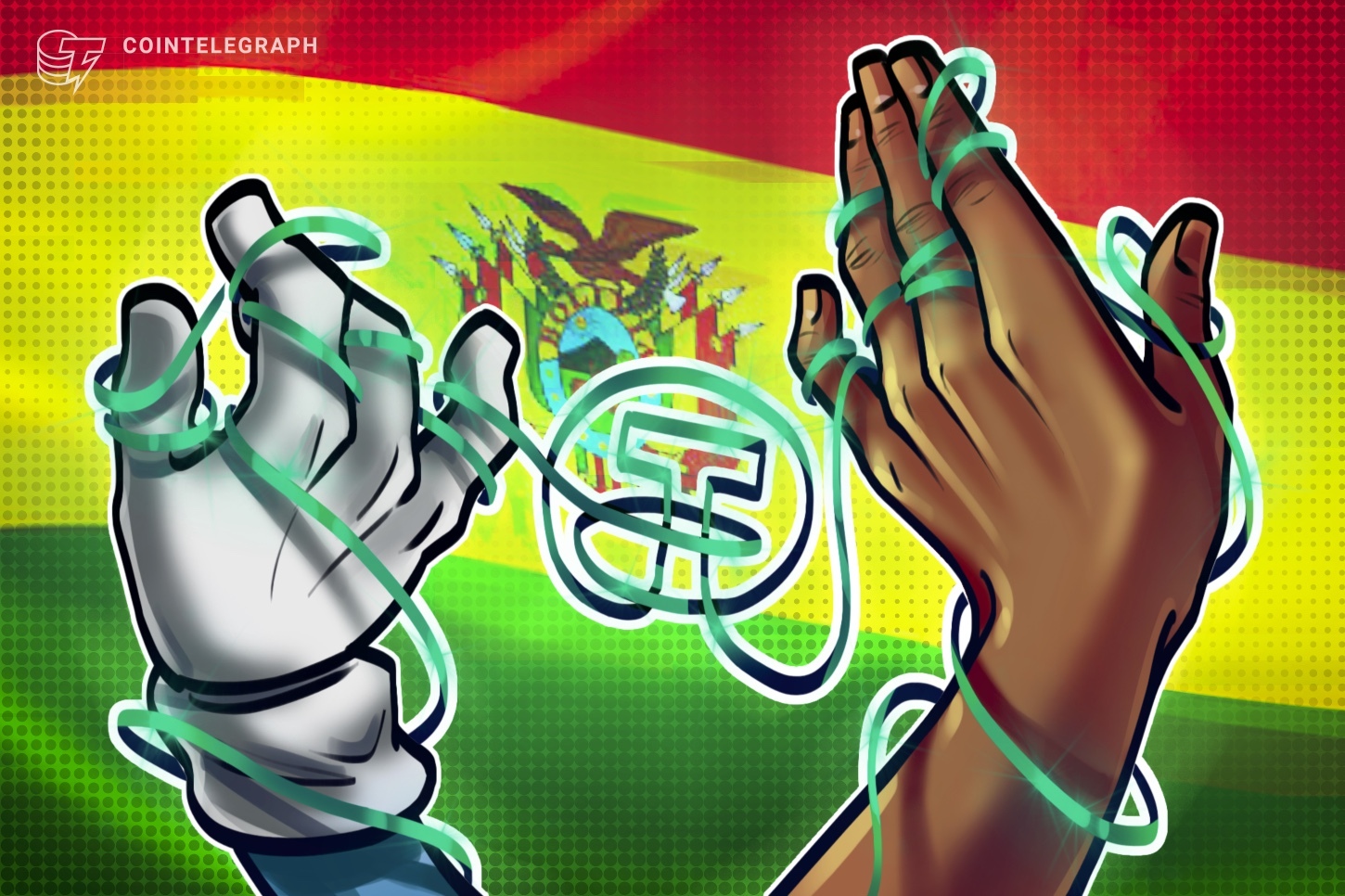
Bolivia is reviewing a framework that would let Tether’s USDT circulate alongside the boliviano and the US dollar, with use cases that would include everyday payments, savings, and trade. For PSPs and banks watching high-risk flows, the important part is not the headline stability story; it is whether the country is preparing to route more commerce through stablecoins while tightening the compliance rails around it.
- Economy and Public Finance Minister Jose Gabriel Espinoza said on Monday that the government is assessing a regulatory framework that would allow USDT to circulate “as just another currency.” According to CriptoNoticias, the proposal is still under review, and if adopted it would recognize USDT for everyday transactions without relying exclusively on cash or the traditional banking system.
- Espinoza said any rollout would require a strong regulatory framework and anti-money laundering safeguards because Bolivia remains on the Financial Action Task Force (FATF) grey list, which covers jurisdictions under increased monitoring for deficiencies in preventing money laundering and terrorist financing. For payment providers, that is the part that tends to matter once the enthusiasm runs into onboarding, monitoring, and settlement policy.
- The proposal follows Bolivia’s broader move toward digital assets after the lifting of its longstanding ban on cryptocurrencies in 2024. Since taking office in late 2025, President Rodrigo Paz Pereira’s administration has said it wants to integrate digital assets into the formal financial system, including by allowing banks to offer crypto-related products and services such as stablecoin-based accounts.
- The timing is not accidental. Bolivia has been dealing with a prolonged shortage of US dollars, and Reuters reported that the country maintained an official exchange rate of 6.86 bolivianos per US dollar for purchases and 6.96 for sales from 2011 until earlier this year, when pressure on foreign exchange reserves forced the government to abandon the peg. The gap between the official and parallel market rates then widened, and dollar-denominated alternatives such as USDT became more attractive for payments.
- USDT is the world’s largest stablecoin, with a market capitalization exceeding $184 billion, according to CoinMarketCap. Bolivia also ranked highly in Chainalysis’ 2025 evaluation of crypto adoption across Latin America, with $14.8 billion in total transaction volume over a 12-month period.
For high-risk operators, the practical question is simple: if USDT gets treated as a payment currency in Bolivia, the country could move from informal stablecoin usage to something closer to a regulated payment rail. That usually changes who can touch the flow, how it is screened, and which counterparties are willing to clear it.
Related news
All news →
Weekly high-risk digest
Regulation, sanctions and payment news across your verticals — once a week, free.
Please check your inbox and click the link to confirm your subscription.
Please enter a valid email address!