Funds Never Held: GhostSwap’s Non-Custodial Model vs the 2026 Hack Wave
Crypto hacks are not new, but 2026 has been a particularly expensive year for custodial platforms. In the first four months alone, custodial exchanges, bridges, and protocols lost over $670 million, which is exactly the kind of environment where non-custodial swaps stop looking like a slogan and start looking like a risk-control choice.
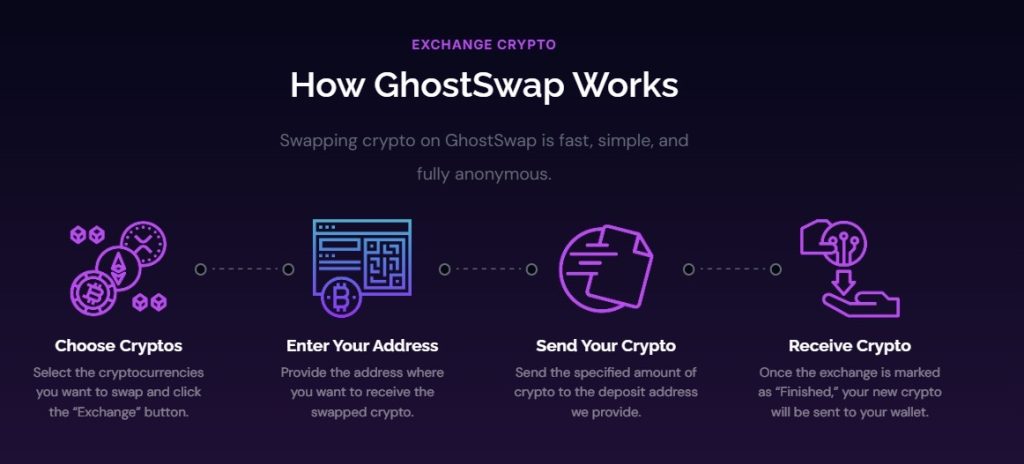
- GhostSwap is described as a non-custodial crypto exchange, which means user funds are never pooled in a shared wallet waiting to be drained. Assets move directly from the user’s wallet to the destination address, so the platform does not hold customer balances in the way a custodial exchange does.
- The 2026 loss figures in the source are not subtle: KelpDAO lost $292 million on April 18, 2026 via an infrastructure attack through the LayerZero bridge; Drift Protocol lost $285 million on April 1, 2026 through a smart contract vulnerability and compromised admin keys; Grinex lost $13.7 million in USDT from 54 wallets on April 15, 2026; Step Finance lost $28.9 million between January and February 2026 through compromised executive email accounts and private keys; Truebit Protocol lost $26.4 million on January 9, 2026 through “zombie code”; and ResolvLabs lost $25 million in March 2026 through an AWS KMS key management vulnerability.
- The common thread is simple enough that compliance teams and risk teams will recognize it immediately: custodial systems concentrate assets, keys, admin rights, and infrastructure into fewer high-value targets. Once an attacker gets in, the payout can be huge because the platform is holding the funds centrally.
- GhostSwap’s point is not that non-custodial systems are “unhackable” — the source explicitly avoids that claim. The claim is narrower and more useful: by removing the shared pool of user funds and the central wallet target, it reduces the attack surface compared with traditional custodial platforms.
For high-risk PSPs and crypto operators, that distinction matters operationally. A model that never takes custody of customer assets changes the failure mode: you are not protecting a central treasury from drain events, and you are not inviting the same kind of wallet-level concentration risk that keeps showing up in 2026 incident reports.
Related news
All news →

Weekly high-risk digest
Regulation, sanctions and payment news across your verticals — once a week, free.
Please check your inbox and click the link to confirm your subscription.
Please enter a valid email address!