Brazil’s SPA says regulated betting has been a success after the first full year
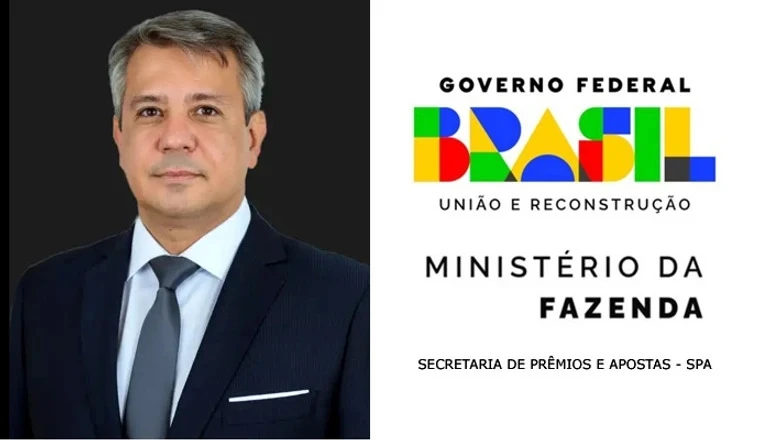
The Secretariat of Prizes and Bets (SPA) says Brazil’s regulated betting market is already working better than the period when the activity had no rules. For PSPs and operators, the message is straightforward: the regulator is now building the market with active supervision, consumer protection rules, and a harder line on illegality.
- Deputy secretary of monitoring and supervision of betting Carlos Renato Xavier said the first full year of regulation showed the “complete success” of the model. Speaking at the Future of Betting in Brazil panel, he argued that a regulated environment with ongoing state involvement reduces conflicts and stops problems from escalating when there is no oversight.
- According to Xavier, regulation began in 2024 and the undersecretariat has been active both in granting authorisations and in drafting sector rules. He described the year as one of “intense learning” for the SPA team, which worked through dialogue with operators, providers and other market stakeholders to improve its technical approach.
- He also said the SPA looked to international markets to decide which measures to adopt in Brazil. The point, in his telling, was not to copy another jurisdiction wholesale, but to observe where other regimes ran into problems and then build safeguards into the Brazilian framework.
- Xavier pointed to a congressional debate held last week with government bodies and institutions including the ministry of health, Conar and the consumer defence secretariat. His takeaway was that monitoring is not limited to the SPA: there is coordinated action across agencies, and that coordination is meant to support a “healthy, enduring and fraud-free market.”
- The main challenge, he said, remains the illicit market. He noted that two “robust regulations” aimed at combatting illegality were published last week, and said there is now greater alignment among the presidency, the ministry of finance and the ministry of justice on where enforcement efforts should go.
For high-risk payment providers, the practical read is that Brazil is moving from rule-setting to enforcement. That usually means more scrutiny on onboarding, authorisation status, and the payment flows tied to betting operators that fall outside the regulated perimeter.
Related news
All news →
Weekly high-risk digest
Regulation, sanctions and payment news across your verticals — once a week, free.
Please check your inbox and click the link to confirm your subscription.
Please enter a valid email address!