What the 2026 Midterms Mean for Crypto, Banks and Stablecoin Regulation
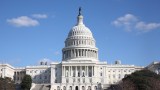
Democrats took control of both chambers in Tuesday’s Nov. 3 midterm elections, and that shifts the crypto fight in Washington from passing new laws to defending the ground already won. For banks, payment processors and crypto companies, the bigger issue now is not whether another headline bill gets to President Donald Trump’s desk, but which committees and agencies will shape implementation, oversight and market access.
- The elections reversed the Republican majorities that helped push through the GENIUS Act, the landmark stablecoin law, and advance a broader rewrite of digital asset regulation. That matters because the next phase is less about slogans and more about who writes the rules around exchanges, stablecoins and other digital asset intermediaries.
- Four committees sit at the center of federal crypto policymaking: Senate Banking, Senate Agriculture, House Financial Services and House Agriculture. Together, they influence how financial regulators split authority over cryptocurrencies, stablecoins, exchanges and related infrastructure. In practice, the chairmanships decide which bills get hearings, which regulators get hauled in to answer questions and which industry practices end up under congressional microscope.
- Sen. Elizabeth Warren, a longtime advocate of tighter cryptocurrency oversight, is positioned to lead Senate Banking. Rep. Maxine Waters could reclaim the House Financial Services chairmanship, although she still faces competition from other Democrats. Neither outcome is automatic, but both would put two of crypto’s most persistent critics in posts that can set priorities, request documents and pressure regulators through oversight hearings.
- The industry also lost several allies. Former Senate Banking Chairman Sherrod Brown defeated Republican Jon Husted in Ohio despite substantial cryptocurrency industry spending against Brown’s candidacy. House Republicans Bryan Steil, Zach Nunn and Ann Wagner, all associated with crypto-friendly policymaking, also lost their seats, according to election reporting.
- That does not mean crypto lost every voice in Congress. Sen. Kirsten Gillibrand, a Democratic supporter of digital asset legislation, comes out of the election with more political influence. Other lawmakers may still pursue targeted measures on taxation, custody or market infrastructure. But the overall setup is less friendly to expansive legislation, which is why the next two years are more likely to be fought through agency implementation and regulatory interpretation than through another big legislative sprint.
For high-risk payment players, the practical point is simple: the rules that matter most may now come from oversight, agency action and legal implementation under laws already on the books. That is where the boundaries of the digital asset economy will get drawn, including which institutions can offer digital financial services and on what terms.
Related news
All news →


Weekly high-risk digest
Regulation, sanctions and payment news across your verticals — once a week, free.
Please check your inbox and click the link to confirm your subscription.
Please enter a valid email address!