Blockchain.com launches Brazil payments platform as KuCoin expands local rails in Mexico, Bangladesh and Zambia
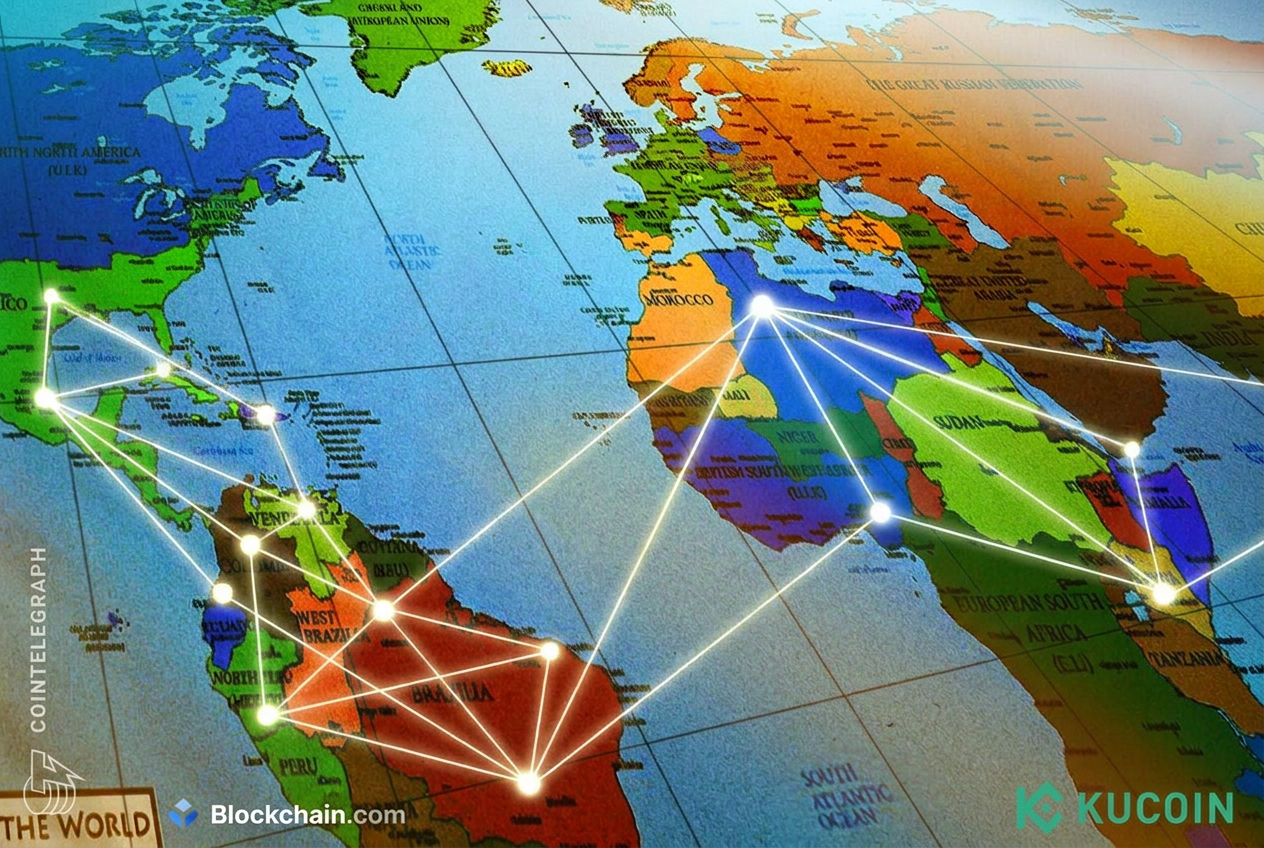
Blockchain.com and KuCoin both rolled out new payment services aimed at connecting digital assets with local financial infrastructure in emerging markets. For PSPs and high-risk merchants, the point is not the crypto branding; it is that stablecoin and local-rail integrations are moving deeper into treasury, payroll, remittances and merchant flows.
- Blockchain.com said it launched a Brazil-focused payments platform for institutional clients that uses USDC (USDC) and USDt (USDT) for cross-border treasury operations, supplier payments and payroll. The company said the service is meant to offer businesses a faster and lower-cost alternative to traditional international wire transfers.
- KuCoin expanded its payment network across Mexico, Bangladesh and Zambia. The new integrations add support for Mexico’s SPEI banking system, Bangladesh’s bKash and Nagad mobile payment platforms, and mobile-money networks operated by MTN and Airtel in Zambia.
- KuCoin said the rollout is designed to make it easier for users to move digital assets through payment systems already widely used for remittances, merchant transactions and peer-to-peer transfers. In other words, it is leaning on rails that already have day-to-day usage, rather than asking users to change payment behavior from scratch.
- The split between the two launches matters. Blockchain.com’s Brazil offering is aimed at businesses managing treasury and international payment flows, while KuCoin’s expansion is focused on consumer-facing payment networks. That difference will matter to providers deciding whether they are selling to corporate flows, retail cash-in/cash-out, or both.
- Bitso said in a recent report that stablecoin transaction volume among institutional clients grew 81% year-on-year in the first half of 2026, driven by blockchain-based settlement, treasury management and cross-border liquidity services. The report also said financial institutions accounted for more than 60% of new business clients added during the period.
The broader backdrop is familiar by now: stablecoins are becoming part of cross-border commerce in emerging markets, not just a trading venue feature. Chainalysis said in a September 2025 report on crypto adoption in Sub-Saharan Africa that stablecoins are frequently used in high-value trade flows between Africa, the Middle East and Asia, including multi-million-dollar transfers supporting energy and merchant payments.
There is also a regulatory catch, and it is the kind that payment teams should read twice. In May, Brazil’s central bank prohibited the use of virtual assets in certain regulated cross-border payment services, reinforcing requirements that Electronic Foreign Exchange providers settle transactions through supervised foreign-exchange channels.
Related news
All news →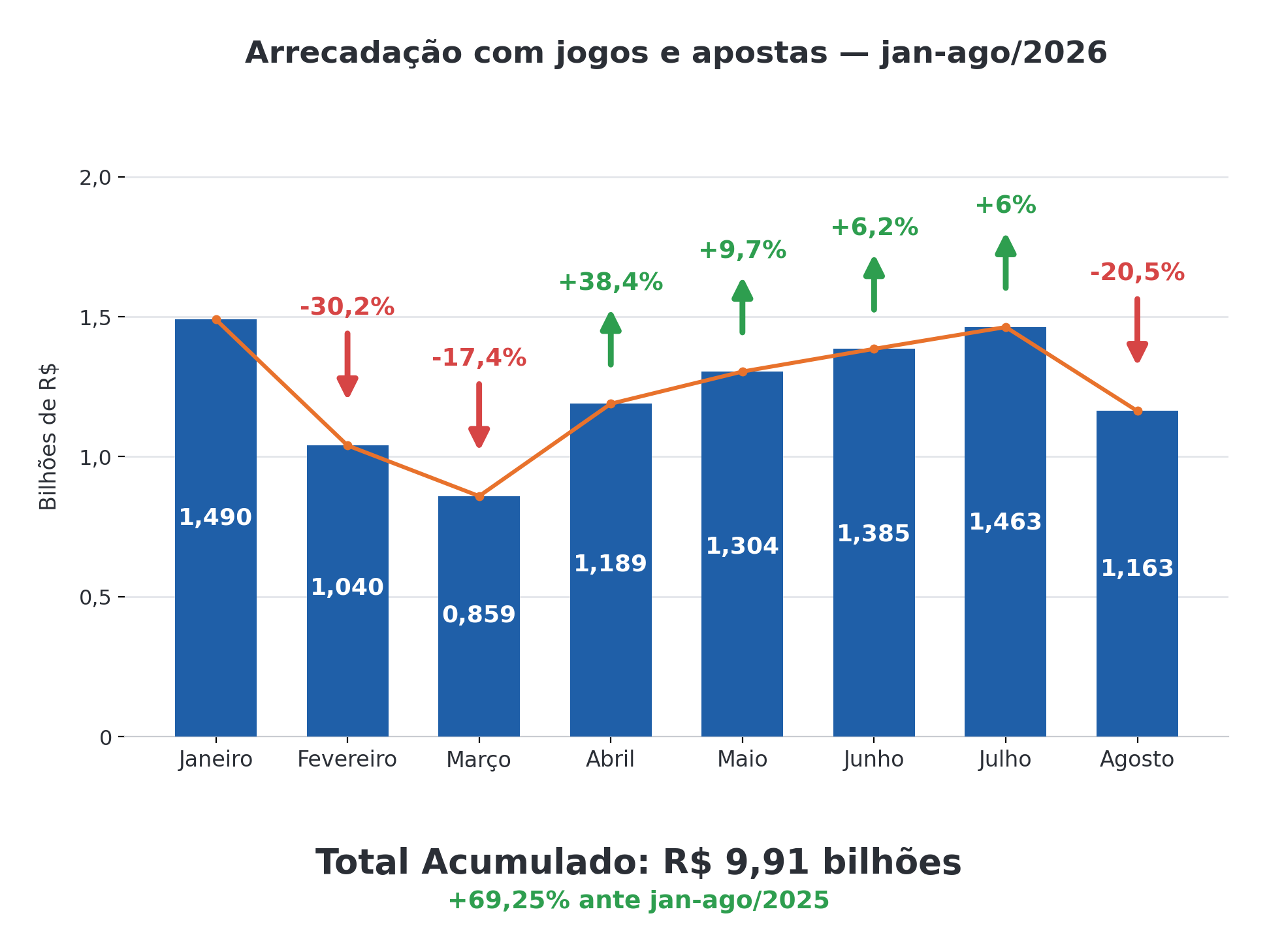
Brazil collected R$ 9.91 billion from betting and gambling taxes from January to August 2026

Sports betting sponsorships in Brazilian football reached R$ 1.03 billion in 2025 as clubs face R$ 17.3 billion in debt

First Dutch online gambling licence renewals confirmed ahead of 2026 expiry
Weekly high-risk digest
Regulation, sanctions and payment news across your verticals — once a week, free.
Please check your inbox and click the link to confirm your subscription.
Please enter a valid email address!