From regulation to accountability: how 1xBet’s global strategy has changed

There was a time when one international license, often from jurisdictions like Curaçao, could cover a surprising amount of ground. That era is ending as markets build local regimes, and for high-risk PSPs the consequence is simple: more licensing paths, more compliance layers, and fewer excuses to treat payment access as a one-size-fits-all problem.
- Historically, international licenses issued in jurisdictions such as Curaçao let operators serve multiple markets where no local regulatory framework existed. That meant they could run legal businesses, enter unregulated markets, build cross-border infrastructure, and launch products in countries without a national gambling regime.
- Europe was among the first regions to break that model. France introduced a comprehensive online gambling law in 2010, created a national regulator first called the ARJEL and later the ANJ, and required operators to hold a French license to serve French players legally.
- The United Kingdom followed in 2014 with its point-of-consumption regime, which cemented a principle that has since spread globally: if you target local consumers, you need a local license, regardless of where the company itself is incorporated. In the years after that, dozens of other European markets adopted similar frameworks, each with its own rules on advertising, taxation, and player protection.
- The same pattern later reshaped Latin America. Colombia was one of the first countries in the region to introduce a full licensing scheme for online operators in the mid-2010s through Coljuegos. Peru followed about six years later, in 2022, with its own comprehensive framework.
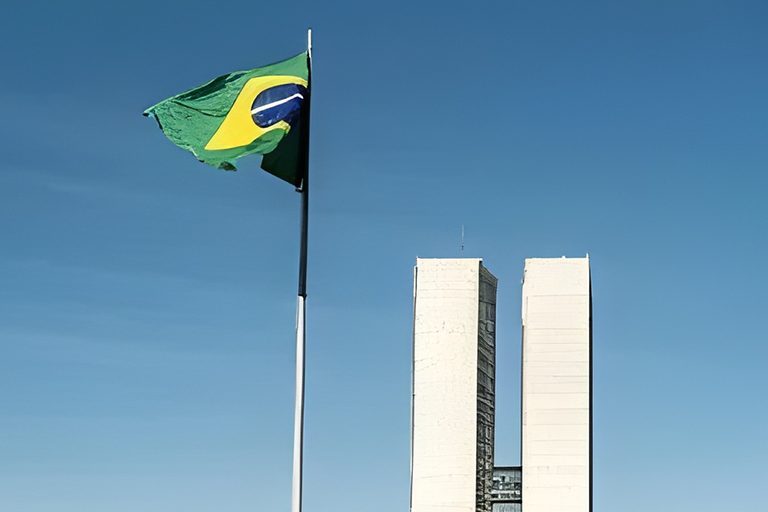
- Brazil completed the picture on 1 January 2025, when its regulated betting and iGaming market officially launched under Law No. 14.790/2023. Within a year, millions of Brazilians were already betting through authorized operators, and dozens of companies had obtained federal licenses. African markets are following a comparable path, moving gradually from basic authorization to more structured regulation and stricter player-protection standards.
The practical result is a shift in compliance management. Once a market has its own regulator, operators have to satisfy both their international license conditions and the local rules on top of that. For PSPs, that usually means more granular underwriting, tighter merchant monitoring, and a lot less room for the old “one license, many markets” playbook.
Related news
All news →
Weekly high-risk digest
Regulation, sanctions and payment news across your verticals — once a week, free.
Please check your inbox and click the link to confirm your subscription.
Please enter a valid email address!