Brazil’s Laura Carneiro pushes urgency for bill targeting illegal betting payments
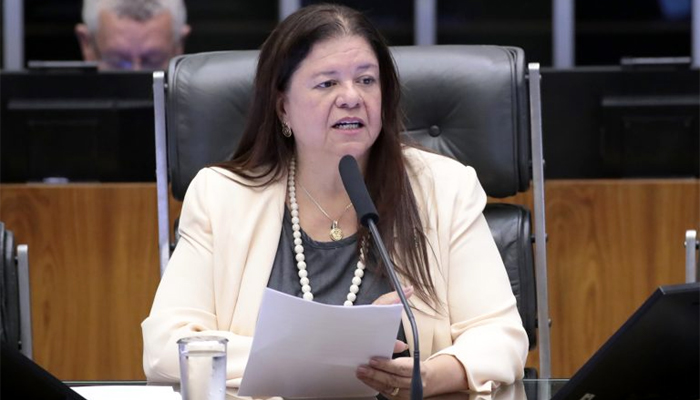
Brazilian deputy Laura Carneiro has filed an urgency request in the Chamber of Deputies for PL 4.044/2025, a bill that would create a legal framework to combat the illegal gaming and betting market. For PSPs, banks, and acquirers, the point is simple: the proposal puts financial institutions in the middle of enforcement, with monitoring, reporting, and potential operational restrictions.
- Laura Carneiro (PSD-RJ) submitted the urgency request on Monday (2) with support from Mário Heringer (PDT-MG) and Isnaldo Bulhões Jr. (MDB-AL), the leader of the bloc made up of União, PP, PSD, Republicanos, MDB, Federação PSDB Cidadania and Podemos. She said the request was based on Article 155 of the Chamber’s internal rules.
- PL 4.044/2025 would create the Marco Legal de Combate ao Mercado Ilegal de Jogos e Apostas and amend Law No. 14.790 of December 29, 2023. According to the text cited by Carneiro, the goal is to strengthen financial, criminal, and administrative enforcement against clandestine gaming and betting operations in Brazil.
- The Chamber’s Finance and Taxation Committee approved her report on the bill on May 28. Carneiro is the bill’s rapporteur. Before reaching the plenary, the proposal still needs review by the Committee on Constitution and Justice and Citizenship.
- The bill assigns banks and payment companies a direct role in identifying unlicensed betting operators. They would have to implement transaction-monitoring systems, share information on detected fraud, and detect suspicious patterns automatically, including recurring transactions to unauthorized betting sites.
- There is a heavier stick as well: the proposal allows temporary or permanent suspension of institutions that fail to comply with monitoring and data-sharing rules, and it foresees penalties for non-compliance, including repeated operational restrictions. In practice, the bill turns financial institutions into a reporting layer for illegal betting flows.
For high-risk operators and their payment partners, this is the kind of bill that matters long before it becomes law. It shifts enforcement pressure onto the payment chain, which is where illegal betting businesses usually feel it first.
Related news
All news →


Weekly high-risk digest
Regulation, sanctions and payment news across your verticals — once a week, free.
Please check your inbox and click the link to confirm your subscription.
Please enter a valid email address!