Dutch MPs push for tougher gambling rules, age 21 review, and payment crackdown in online black market debate
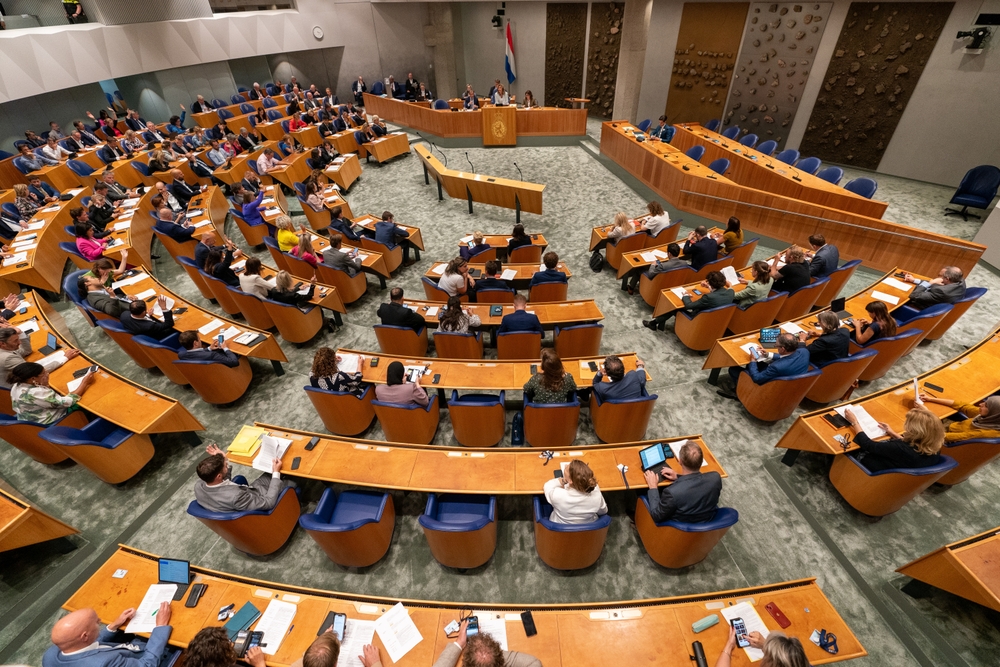
A political debate in the Netherlands yesterday put the Remote Gaming Act (KOA) back under the microscope, with MPs pressing State Secretary of Justice Claudia van Bruggen on player protection, website blocking, and the role of financial intermediaries in illegal gambling payments. For PSPs and acquirers, the interesting part is not the parliamentary theatre; it is the direction of travel on blocking powers and payment-facilitation standards.
- Mirjam Bikker of ChristenUnie argued for a broader advertising ban, faster blocking of illegal websites, and asked why the planned increase of the minimum gambling age to 21 has been delayed. Van Bruggen said .nl websites are relatively easy to take down, but foreign-domain sites are harder because they sit outside the government’s jurisdiction to force domain blocking.
- Van Bruggen said a draft law on wider DNS blocking powers is being prepared and is scheduled to enter consultations in early 2027. That matters because DNS blocking is the sort of tool that can quickly turn from a policy talking point into an operational headache for sites, hosts, and the payment stack around them.
- On the proposed age increase to 21, she said an immediate move would be counterintuitive if the goal is to protect young adults. The government wants a comprehensive analysis first to show whether a higher age limit actually reduces harm rather than pushing younger players into the black market.
- Mohammed Mohandis of Progressive Netherlands (PRO) called for concrete indicators to measure gambling policy success each year, and also asked about the possible privatisation of the Nederlandse Lotreij. Van Bruggen said an ongoing study is looking at the effects of such a move, alongside research from the Research and Data Center (WODC), which sits under the Ministry of Justice; once that work is complete, the issue will return to the agenda.
- For payment providers, the most relevant exchange was Mohandis’s push to go after financial institutions and intermediaries that facilitate payments to the black market. Van Bruggen agreed that targeting financial infrastructure is vital and said the government plans to introduce clearer standards defining when a company “facilitates” illegal gambling.
For high-risk operators and PSPs, the practical signal is clear: the Netherlands is still working through KOA reforms, but the debate is moving toward tighter enforcement, more explicit payment-side liability, and potentially broader DNS blocking powers.
Related news
All news →

Weekly high-risk digest
Regulation, sanctions and payment news across your verticals — once a week, free.
Please check your inbox and click the link to confirm your subscription.
Please enter a valid email address!