Michigan Wins Preliminary Injunction Against Kalshi Over Sports Contracts
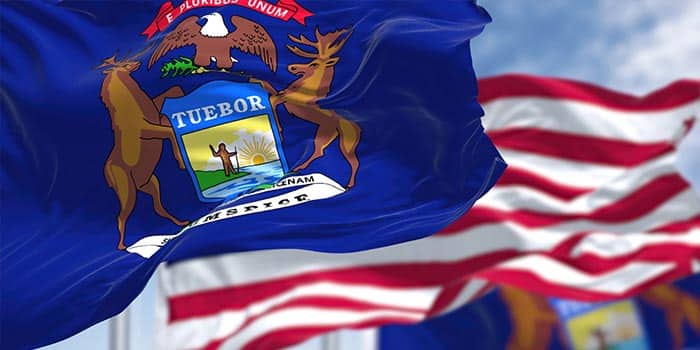
Michigan Attorney General Dana Nessel has secured a preliminary injunction against prediction platform Kalshi, forcing it to stop offering sports-related prediction contracts in the state. For high-risk operators, the point is simple: when a product starts looking like wagering, state regulators are not waiting around for the platform’s federal-regulation argument to settle the matter.
- The court order requires Kalshi to cease offering the disputed sports contracts in Michigan and to implement geofencing that blocks access to those contracts for everyone in the state.
- Violating the injunction could trigger a $500,000 daily fine. Nessel said Kalshi had tried to circumvent Michigan’s established regulations and described the platform’s practices as unlicensed.
- Michigan has regulated online sports wagering since 2021, and operators must first receive approval from the Michigan Gaming Control Board. The state’s case leans on the fact that Kalshi does not hold a Michigan license.
- According to the lawsuit, prediction market customers can bet on sports outcomes and receive funds if the specified result occurs. Michigan argues that this looks indistinguishable from wagering, even if the product is packaged as a financial instrument. Kalshi disagrees and says its products are federally regulated and not subject to state authority.
- This is not Kalshi’s first loss in Michigan. In June, Nessel won a temporary restraining order that blocked the company from operating or marketing its sports-related contracts in the state. Kalshi also tried to move the case from state court to the US District Court for the Western District of Michigan, but the case remained in Ingham County Circuit Court.
The wider issue is not just Michigan. Prediction market operators are trying to expand across every US state while pushing into territory that sits between financial markets and state-controlled gambling. States, meanwhile, have licensing, taxation, and consumer-protection rules for sportsbooks, and they have little reason to welcome a sports contract product that tries to avoid them.
Related news
All news →/https://i.s3.glbimg.com/v1/AUTH_59edd422c0c84a879bd37670ae4f538a/internal_photos/bs/2026/6/Y/s062vdSYmGSK6yycXYvg/flavio-bolsonaro-live-23-set.jpg)
Flávio Bolsonaro calls Lula’s Brazil betting crackdown “electoral fraud” as government seeks to ban online bets

Brazil’s MP 1.394/2026 ends licensed fixed-odds betting in 30 days, keeps the fees, and leaves operators on the hook

ABRAJOGO says Brazil’s ban on fixed-odds betting breaks the regulatory framework and weakens legal certainty
Weekly high-risk digest
Regulation, sanctions and payment news across your verticals — once a week, free.
Please check your inbox and click the link to confirm your subscription.
Please enter a valid email address!