FTC blocks Humboldt from high-risk merchants in $12 million settlement
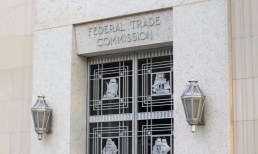
The Federal Trade Commission has settled with Humboldt Merchant Services for $12 million and barred the company permanently from processing payments for merchants with a heightened risk of fraud. For high-risk PSPs, the useful part is not the headline number; it is the FTC’s view of what Humboldt allegedly knew, or chose not to know, before it onboarded and routed the traffic.
- The FTC said its complaint covered more than 1,000 merchants that were shell entities acting as fronts or pass-throughs for fraudulent companies engaged in unauthorized billing scams. In other words, this was not a case about a few noisy accounts at the edge of a portfolio; the agency described a structured merchant base built to conceal the real operators.
- According to the FTC, Humboldt opened and processed payments for merchants it knew, or consciously avoided knowing, were shell companies for third parties engaged in fraud. The complaint also says Humboldt kept those accounts open despite chargeback rates that were almost 10 times higher than what card brands view as excessive.
- The agency further alleged that Humboldt tried to push more transactions through these accounts by placing them on a lower-risk bank identification number (BIN) used by an affiliated entity, in order to improve approval odds with cardholders’ banks. That detail matters because it is exactly the sort of routing decision that can turn merchant risk into sponsor risk very quickly.
- The proposed order requires Humboldt to pay $12 million for consumer redress and prohibits it from engaging in or assisting others who are engaged in credit card laundering, processing payments for straw companies, and merchants on the Mastercard Alert to Control High-Risk Merchants (MATCH) list. The company said on its website that the matter involved a limited number of third-party sales agents and merchants, primarily between 2021 and 2023, under former leadership, and that it cooperated with the FTC without admitting wrongdoing.
For PSPs and acquirers in high-risk verticals, the practical message is simple: the FTC is not just looking at who the merchant says it is, but at the transaction patterns, the chargeback profile, the BIN placement, and whether the processor ignored the obvious tells.
Related news
All news →
Moscow’s CIFCOM26 will put legal crypto markets, AML/KYC, and cross-border payments on the table on November 12, 2026
Brazil’s betting ban could cost about $23.5 billion, according to ANJL

Palmerbet’s BetStop breaches led to 18-month ACMA undertaking after 535 account-closure failures
Weekly high-risk digest
Regulation, sanctions and payment news across your verticals — once a week, free.
Please check your inbox and click the link to confirm your subscription.
Please enter a valid email address!