Home/news/Binance hack drained wallets backing customer assets, reserve data shows
news
Binance hack drained wallets backing customer assets, reserve data shows
Payments High Risk
30 Oct 2026 · 1 min read
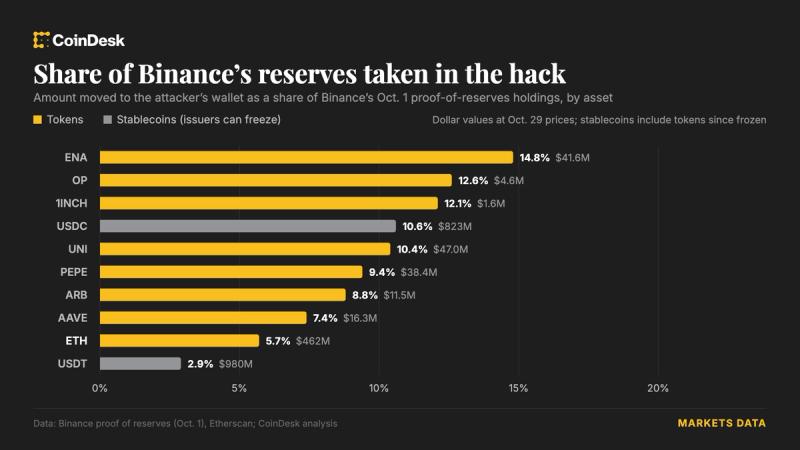
Binance’s reserve data says the wallets hit in the hack were part of the pool backing customer balances, which leaves the exchange’s ether backing about 6% short until the stolen funds are replaced. For PSPs, acquirers, and banks that touch crypto flows, that is not just a security headline; it is a live question about reserve integrity and client asset coverage.
Binance’s own reserve data lists the drained wallets as backing customer balances. In other words, the hack did not just hit some stray treasury address sitting off to the side; it hit wallets that were counted toward customer asset backing.
The immediate exposure is in ether: Binance’s ether backing is estimated to be 6% short until the exchange replaces what was stolen. That is the operational number to watch, because reserve coverage is what counterparties look at when deciding how much trust to extend.
The report does not say the shortfall is permanent. It says the gap exists until Binance replaces the stolen assets, which means the practical issue for counterparties is timing: when reserve backing is restored, and how the exchange documents that restoration.
The fact pattern matters for high-risk payment flows because reserve reports are often used as shorthand for customer asset safety. Once the wallets backing balances are shown to have been drained, anyone underwriting exposure to the venue has to read the reserve data more carefully than the headline numbers suggest.