In 2019 the PT called secrecy around pension studies “censorship.” Today Lula’s government is hiding the papers behind Desenrola 3.0 and the Bets MP
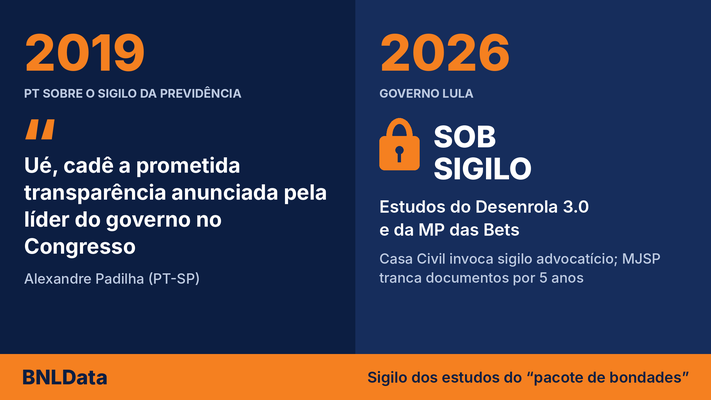
Back in 2019, PT leaders attacked Bolsonaro’s government for restricting access to the studies and legal opinions behind the pension reform. Now Lula’s administration is using secrecy of its own: the Casa Civil has classified the documents behind Desenrola 3.0 and MP No. 1.394/2026, the measure that banned bets in Brazil. For PSPs, acquirers, and banks, the point is simple: two measures with direct fiscal and market impact were announced without the underlying calculations being public.
- In April 2019, then-Economy Minister Paulo Guedes blocked access to the studies and technical opinions supporting PEC 6/2019, the pension reform. The PT responded aggressively, with the party’s website running the headline: “Governo Bolsonaro censura informações da reforma da Previdência.”
- Seven years later, the Lula government has imposed secrecy on the studies, opinions, and documents behind the so-called “pacote de bondades,” announced on 25 September in the final stretch of the election campaign. The package includes two measures with immediate effect: Desenrola 3.0 and MP No. 1.394/2026, which banned bets in Brazil.
- On 29 October, the Casa Civil denied two access-to-information requests filed by BBC News Brasil on 25 and 28 September. The stated basis was attorney-client privilege, under the Brazilian Bar Association statute, on the argument that the documents were used for legal advice. The Palácio do Planalto did not answer the report’s questions.
- The secrecy around the bets measure is even broader. The Ministry of Justice and Public Security classified the documents behind MP 1.394 for five years. The order was signed on 24 September, one day before the measure was published, by Victor Oliveira Fernandes, secretary of Digital Rights. He said disclosure would put “the life, safety or health of the population” at risk and create “high risk to the country’s financial, economic or monetary stability.” Under Brazil’s LAI, a five-year term corresponds to the “reserved” level.
- Desenrola 3.0 would allow the government to buy debt portfolios from financial institutions through auction and grant discounts of up to 90% to debtors. Planning Minister Bruno Moretti estimated the cost at up to R$ 15 billion through 2028. The bets ban, meanwhile, removes revenue previously generated by the regulated sector for the federal government and legal beneficiaries — sport, public security, tourism, health, and education — and pushes bettors into the illegal market.
The high-risk angle is obvious: both measures were taken days before the election, both have direct fiscal consequences, and neither has its supporting analysis open to public scrutiny. For payment providers and banks exposed to gambling, that is not a philosophical issue. It is a regulatory and revenue-shift problem with no published math behind it.
Related news
All news →


Weekly high-risk digest
Regulation, sanctions and payment news across your verticals — once a week, free.
Please check your inbox and click the link to confirm your subscription.
Please enter a valid email address!